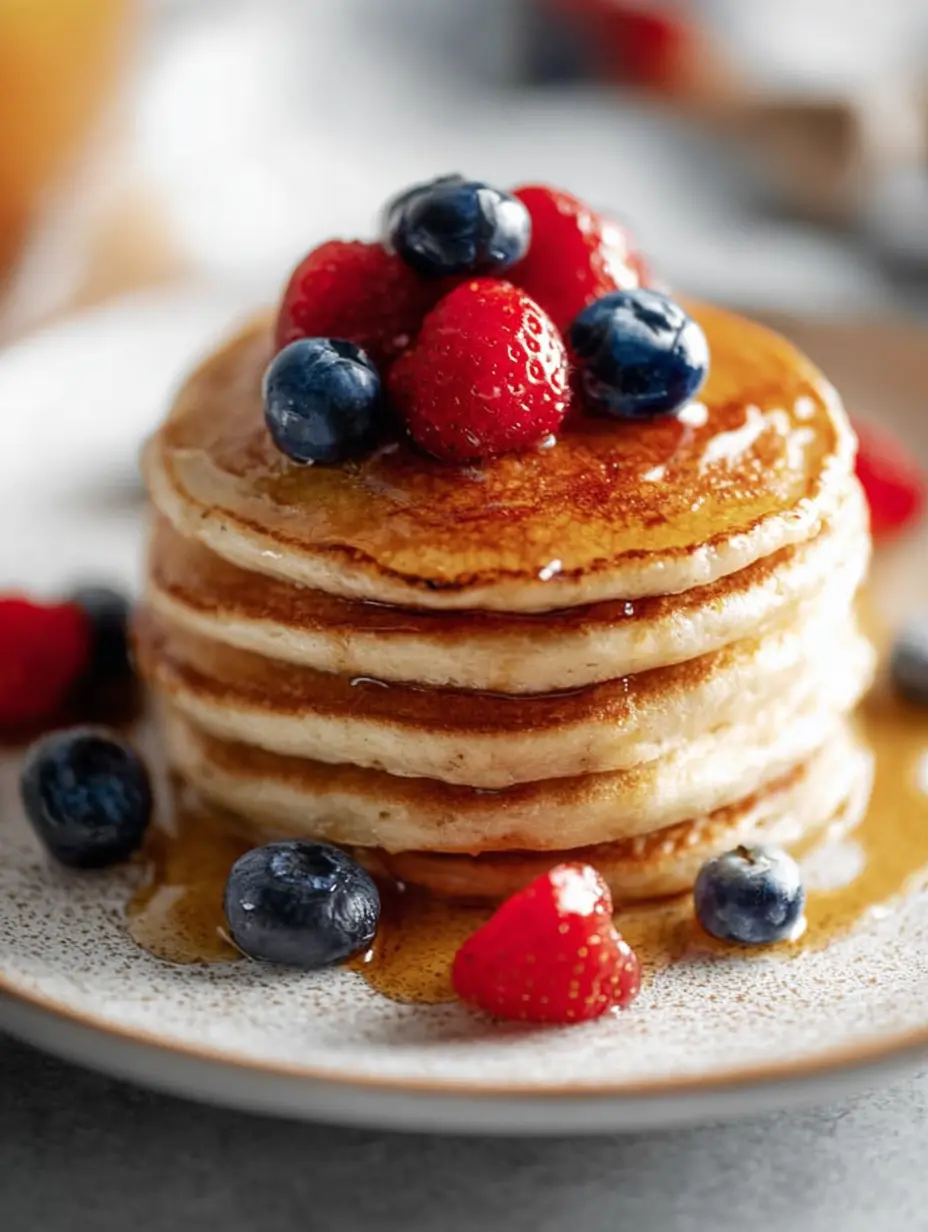

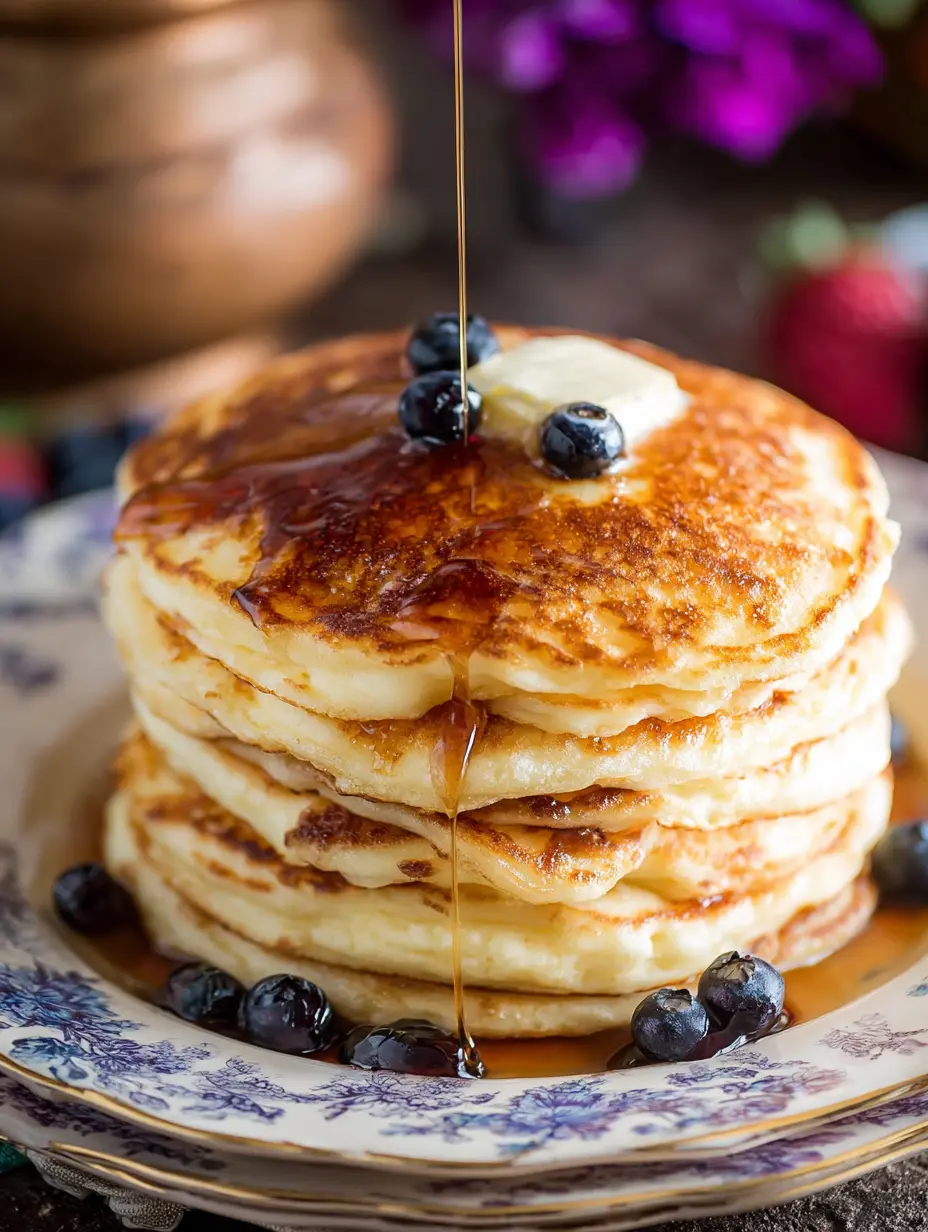
There’s a reason classic buttermilk pancakes are a breakfast staple. That perfect balance of tender, fluffy interior and golden, lightly crisp exterior, soaked with pure maple syrup, is a moment of pure comfort. A homemade pancake recipe is a simple joy, yet achieving that ideal texture can feel elusive.
This comprehensive guide will walk you through every step to create perfect, soft breakfast pancakes every time. We’ll cover the science of the batter, the technique for cooking, and tips to elevate your brunch game.
Why Buttermilk is the Secret to Fluffy Pancakes
The key ingredient in any great traditional pancake recipe is buttermilk. Its role is twofold. First, its acidity reacts with the baking soda in the batter, creating carbon dioxide bubbles. This reaction begins the moment the wet and dry ingredients combine, giving the batter an initial lift. Second, buttermilk tenderizes the gluten in the flour, resulting in a softer, more delicate crumb than milk would produce.
If you don’t have buttermilk on hand, you can make a suitable substitute by adding 2 tablespoons of lemon juice or white vinegar to 2 ¼ cups of milk and letting it sit for 5-10 minutes until slightly curdled. However, for the best flavor and texture, real buttermilk is recommended.
Understanding Your Ingredients
Each component in this fluffy classic pancake recipe has a specific purpose. The all-purpose flour provides structure. Sugar adds sweetness and promotes browning. Baking powder and baking soda are the leavening agents that make the pancakes rise. Salt balances the flavors and enhances them. Eggs contribute to structure and richness, while vanilla extract adds a warm, aromatic depth.
Finally, the melted butter provides fat for flavor, tenderness, and that beautiful golden-brown color. Using room-temperature eggs helps the butter incorporate smoothly, preventing it from solidifying into small lumps.
Step-by-Step Method for Perfect Pancakes
Mastering the method is just as important as the ingredients. The goal is to develop minimal gluten to keep the pancakes light and airy.
Mixing the Batter: Less is More
Always start by whisking your dry ingredients together in a large bowl. This ensures the leavening agents and salt are evenly distributed throughout the flour. In a separate bowl, whisk the buttermilk, eggs, and vanilla. The critical step is adding the melted butter. Drizzle it in slowly while whisking continuously to help it emulsify with the cold buttermilk.
It may look slightly curdled, but that’s okay. Pour the wet ingredients into the dry and stir with a wooden spoon or spatula until the flour is just moistened. The batter should be lumpy! Overmixing develops gluten, leading to tough, flat pancakes. A few streaks of flour are perfectly fine.
The Cooking Technique
Heat management is crucial. Preheat your griddle or non-stick skillet over medium-low heat for a good 5 minutes. A properly heated surface ensures even cooking and a good rise. Lightly brush the pan with a neutral oil like canola or use cooking spray. Let the batter rest while the pan heats; this allows the leavening agents to activate fully. Pour about ½ to ⅔ cup of batter per pancake.
Cook until the edges look set, the surface is dotted with bubbles that have begun to pop, and the bottom is golden brown. Then, confidently flip with a thin spatula. Cook on the second side until golden. Keep finished pancakes warm in a single layer on a baking sheet in a 200°F oven while you cook the rest.
Nutritional Information
Understanding the nutritional profile of your homemade pancake recipe helps with balanced meal planning. The following table breaks down the approximate values per serving of these classic buttermilk pancakes.
| Nutrient | Amount per Serving |
|---|---|
| Calories | 243 kcal |
| Total Fat | 9 g |
| Carbohydrates | 32 g |
| Protein | 7 g |
| Dietary Fiber | 1 g |
| Sugars | 8 g |
| Sodium | 305 mg |
Serving and Customization Ideas
While delicious with just butter and syrup, these soft breakfast pancakes are a fantastic canvas for creativity. For a fresh twist, consider adding a cup of fresh blueberries or mashed banana to the batter. Chocolate chips are always a crowd-pleaser. For a cozy fall flavor, add a teaspoon of cinnamon or pumpkin pie spice to the dry ingredients. Serve them alongside crispy bacon or sausage for a classic diner experience. For a complete brunch, pair them with a savory side like this vibrant sesame noodle salad. And for dessert lovers, topping them with a compote, like the one you’d find in a strawberry rhubarb pie, elevates them to a special occasion treat.
Storage and Reheating Tips
These classic buttermilk pancakes freeze beautifully, making them a fantastic make-ahead breakfast. Let the cooked pancakes cool completely on a wire rack. Then, place them in a single layer on a baking sheet to flash-freeze for about an hour. Once frozen solid, transfer them to a freezer-safe bag or container, separating layers with parchment paper.
They will keep for up to 2 months. Reheat directly from frozen in a toaster, toaster oven, or a 350°F oven until warm throughout. You can also microwave them for a quick option, though they won’t be as crisp. For refrigerated leftovers (up to 3 days), reheating in a skillet over low heat helps restore their texture best.
Avoiding Common Mistakes
To ensure your traditional pancakes are flawless, avoid these pitfalls: 1) Overmixing the batter. 2) Cooking on a heat that’s too high (the outside will burn before the inside cooks). 3) Pressing down on the pancakes with the spatula after flipping—this squeezes out the air. 4) Using expired baking powder or soda, which will result in flat pancakes.
Test your baking powder by stirring a teaspoon into a cup of hot water; it should fizz vigorously. Follow these tips, and you’ll master this easy brunch recipe, creating light, fluffy, and utterly delicious pancakes that will become a family favorite.
The Recipe
Print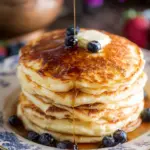
Classic Buttermilk Pancakes
- Total Time: 15 min
- Yield: 8 servings 1x
Description
Fluffy, golden, and perfectly tender, these classic buttermilk pancakes are the ultimate homemade breakfast. An easy recipe that guarantees soft, light results every time.
Ingredients
2 cups all-purpose flour
3 tablespoons sugar
2 teaspoons baking powder
½ teaspoon baking soda
½ teaspoon salt
2 ¼ cups buttermilk
2 large eggs, lightly beaten
1 teaspoon vanilla extract
4 Tablespoons unsalted butter, melted and cooled
Instructions
- In a large bowl, whisk together flour, sugar, baking powder, baking soda, and salt.
- In a separate bowl, whisk buttermilk, eggs, and vanilla extract. Slowly drizzle in melted butter while whisking.
- Pour wet ingredients into dry ingredients. Stir with a wooden spoon until just combined; batter will be lumpy.
- Heat a non-stick skillet or griddle over medium-low heat. Lightly grease with oil.
- Pour ½-⅔ cup batter per pancake onto the hot surface. Cook until edges are set and bubbles form and pop.
- Flip and cook until the second side is golden brown. Repeat with remaining batter.
Notes
- Do not overmix the batter. Lumps are good.
- Let the batter rest for 5 minutes while the pan preheats for optimal fluffiness.
- For a buttermilk substitute, mix 2 tbsp lemon juice with 2 ¼ cups milk and let sit for 10 minutes.
- Prep Time: 10 min
- Cook Time: 5 min
- Category: Main Course
- Method: Baked
- Cuisine: American
Nutrition
- Calories: 243 kcal
- Sugar: 8 g
- Sodium: 305 mg
- Fat: 9 g
- Carbohydrates: 32 g
- Fiber: 1 g
- Protein: 7 g