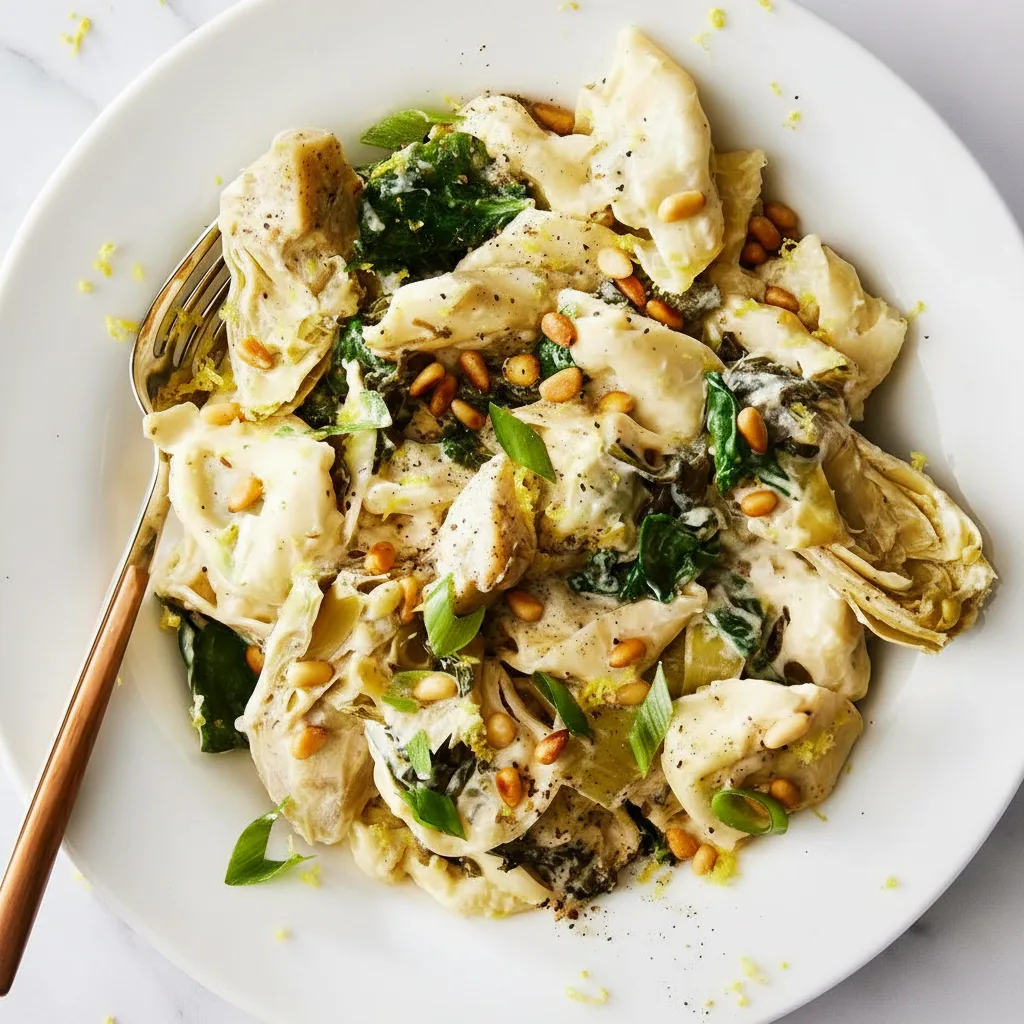

When you need a satisfying meal that comes together in minutes, these creamy gochujang udon noodles deliver big flavors without breaking the bank. This recipe combines chewy udon noodles with a spicy, creamy sauce that coats every strand perfectly.
Plus, you get restaurant-quality results using simple ingredients from your pantry. Whether you’re cooking for yourself or sharing with loved ones, this dish promises comfort and excitement in every bite.
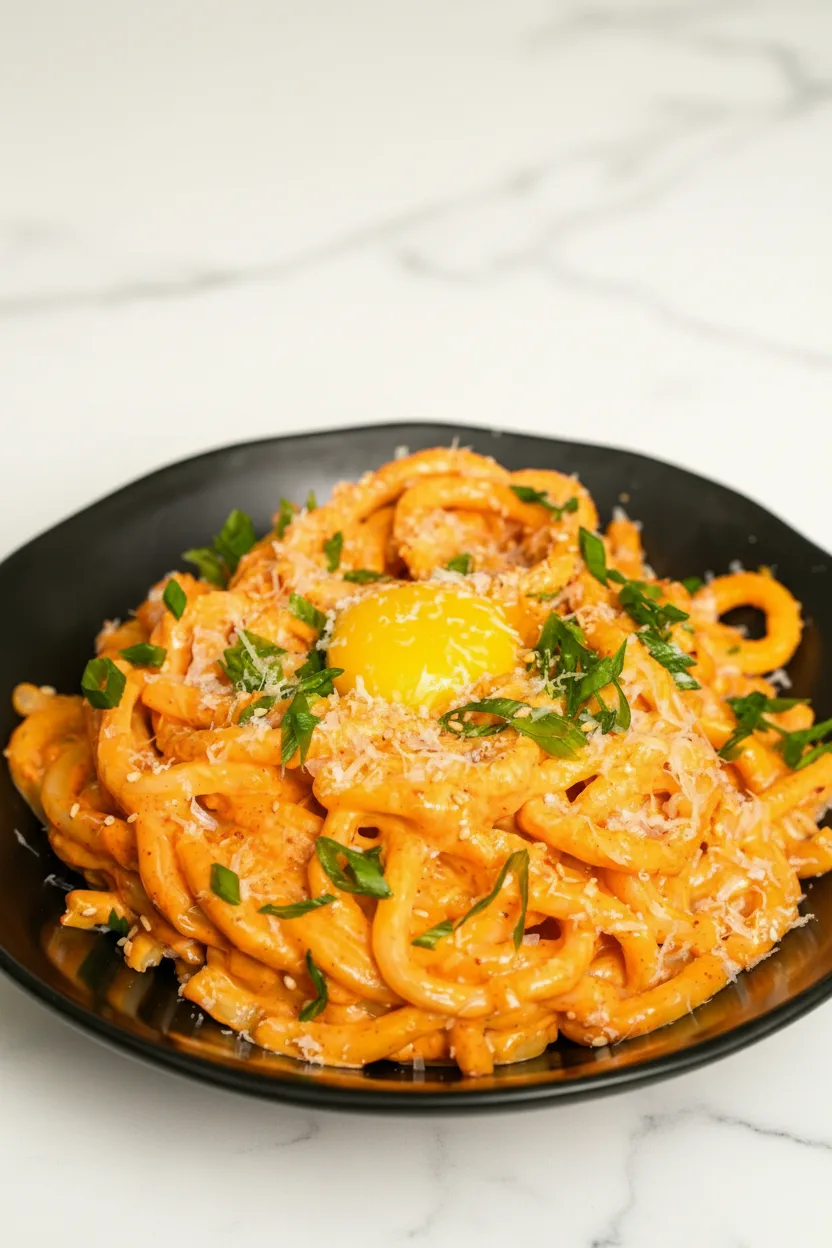
Why You’ll Love This Creamy Udon Recipe
You’ll adore this udon dish because it offers incredible flavor without complicated techniques. The spicy kick from gochujang balances beautifully with the rich cream sauce.
Furthermore, the prep work takes just minutes, making it ideal for busy weeknights when time matters most. Another great aspect is how adaptable this recipe becomes – swap ingredients based on what’s available or adjust spice levels comfortably.
Quick Preparation Saves Time
Frozen udon noodles cook rapidly, forming the base of this speedy dish. Moreover, you’ll have minimal chopping and measuring tasks.
Cooking the sauce happens in one pan, reducing cleanup time significantly. In fact, many cooks enjoy making similar quick-sauce noodle dishes because they streamline kitchen work efficiently.
Flavor Depth Rivals Restaurant Dishes
Gochujang paste brings smoky, sweet, and spicy notes simultaneously. Paired with the umami of soy sauce and richness of cream, it creates a complex flavor profile.
Additionally, the silky texture from butter and garnish options like egg yolk or green onions add beautiful finishing touches.
Recipe
Print
Creamy Gochujang Udon Noodles – Cheap & Easy
- Total Time: 15 min
- Yield: 2 servings 1x
Description
Spicy and creamy gochujang udon noodles ready in 15 minutes. A perfect balance of heat and richness with chewy noodles and savory toppings.
Ingredients
- 2 pack frozen udon noodles
- 3 tbsp butter (unsalted) (45 g)
- 3 cloves garlic, minced
- 2 shallots, chopped
- 1 1/2 tbsp gochujang (23 ml)
- 1/2 cup heavy cream (120 ml)
- 1/2 cup reserved noodle water (120 ml)
- 2 tsp soy sauce (10 ml)
- 1 tsp gochugaru (5 g)
- 1 green onion, chopped (for garnish)
- grated parmesan cheese
- 1 egg yolk (optional)
Instructions
- Bring a pot of water to a boil and cook frozen udon noodles according to package instructions. Reserve 1/2 cup of noodle water and set aside. Drain noodles, rinse under cold water, and set aside.
- Melt butter in a pan over medium heat. Add minced garlic and chopped shallots and sauté until fragrant.
- Add gochujang and cook for 30 seconds.
- Slowly pour in heavy cream and reserved noodle water, then add soy sauce and gochugaru. Mix and bring to a simmer. Simmer until thickened.
- Add cooked udon to pan and toss to coat evenly in sauce.
- Transfer noodles to bowls. Top with grated parmesan, green onion, and optional egg yolk. Serve hot.
Notes
- Reserve noodle water before draining for best sauce consistency.
- Rinse noodles under cold water to maintain chewy texture.
- Adjust gochugaru quantity to control spiciness level.
- Prep Time: 5 min
- Cook Time: 10 min
- Category: Main Course
- Method: Baked
- Cuisine: American
Ingredients and Substitutions
This recipe uses common ingredients with flexibility for substitutions when necessary. Here’s what you need and possible swaps to accommodate dietary needs or pantry limitations:
Base Components
- Frozen Udon Noodles – Substitute with fresh or dried udon when available or use thick rice noodles for gluten-free options.
- Butter – Olive oil or coconut oil work well for dairy-free versions.
- Heavy Cream – Coconut cream offers a creamy vegan alternative while adding subtle tropical notes.
Sauce and Seasonings
- Gochujang Paste – Use sriracha mixed with a small amount of miso paste if unavailable.
- Gochugaru (Korean Chili Flakes) – Substitute regular red pepper flakes or smoked paprika for different heat dimensions.
- Soy Sauce – Tamari or coconut aminos make excellent gluten-free replacements.
How to Make Creamy Gochujang Udon Noodles
Making these spicy noodles requires just four simple steps. Follow this guide to create perfectly cooked udon with luxurious sauce every time.
Step 1: Cook the Udon Noodles
Boil water in a pot and cook frozen udon per package instructions. Reserve half cup of starchy noodle water before draining. Rinse noodles under cold water to stop cooking and set aside. Using cold water ensures udon stays pleasantly chewy rather than becoming mushy.
Step 2: Build the Sauce
Melt butter in a pan over medium heat. Add minced garlic and chopped shallots, sautéing until fragrant – about one minute. Stir in gochujang and cook for another 30 seconds to deepen flavors. Gradually pour in cream and reserved noodle water, whisking continuously. Add soy sauce and gochugaru, then simmer sauce until slightly thickened.
Step 3: Combine Noodles and Sauce
Add cooked udon to your creamy gochujang sauce, tossing thoroughly to coat each strand. Cook another minute while stirring, allowing noodles to absorb sauce flavors completely. This technique mirrors stir-frying methods that maximize texture coherence beautifully.
Step 4: Garnish and Serve
Divide noodles between bowls and top generously with grated parmesan and chopped green onions. For added richness, place an optional egg yolk atop steaming noodles – the residual heat gently cooks it. Serve immediately while hot for optimal enjoyment.
Pro Tips for Success
Follow these professional suggestions to elevate your noodles every time:
- Reserve starchy noodle water meticulously – it helps sauce cling better than plain water.
- Use medium-low heat when simmering cream sauce to prevent separation or burning.
- Rinse udon in cold water immediately after draining to maintain perfect chewiness.
- Adjust spice levels carefully by adding gochugaru gradually. Taste often since heat accumulates.
Flavor Variations
Customize this versatile recipe with easy tweaks to suit preferences or use ingredients on hand. Here are creative ways to vary flavors:
Protein Additions
Add cooked chicken strips, shrimp, or tofu cubes during sauce simmering for heartier meals. For tender protein options, consider marinading ingredients beforehand using soy-based mixtures that complement spicy flavors wonderfully.
Vegetarian and Vegan Options
Skip parmesan cheese and use coconut cream for vegan-friendly sauce. Boost vegetable content by tossing in spinach, mushrooms, or bell peppers when cooking shallots and garlic.
Lower Carb Adaptation
Replace udon noodles with spiralized zucchini or shirataki noodles. Reduce reserved noodle water to a quarter cup since these alternatives release more moisture naturally.
Serving Suggestions
Serve spicy udon as a standalone meal or pair with complementary dishes for balance. Consider these serving ideas:
- Refresh palates with cucumber kimchi or pickled radish slices on the side.
- Drizzle citrus juice (lime or yuzu) over finished noodles to brighten rich flavors.
- Pair with simple miso soup for traditional Japanese meal approach.
Storage and Freezing Instructions
Leftovers keep refrigerated in airtight containers for three days. Reheat gently in microwave or skillet, adding splash of water or milk to restore sauce creaminess. For longer storage, freeze creamy sauce (without noodles) in freezer bags for two months. When ready to serve, thaw overnight in fridge, reheat sauce, and toss with freshly cooked noodles.
Nutrition Facts per Serving
| Calories | Fat | Carbs | Protein | Fiber | Sugar | Sodium |
|---|---|---|---|---|---|---|
| — | — | — | — | — | — | — |
FAQs About Creamy Gochujang Udon
Can I use dried udon noodles?
Yes, dried udon noodles work excellently. Cook according to package directions, reserving starchy water before draining.
How spicy is this dish?
The heat level depends on your gochujang brand and preferred adjustments. Start with less paste and add more after tasting if concerned about spiciness.
Can I omit dairy?
Absolutely. Use olive or coconut oil instead of butter, and swap heavy cream with coconut cream for equally luscious results.
What if I don’t have gochugaru?
Regular red pepper flakes provide similar heat, though with slightly different flavor. Use about half initially, adjust upward as desired.
Is the egg yolk necessary?
No, the yolk adds richness but remains optional. Skip it for simpler preparation or dietary preferences without sacrificing overall enjoyment.
Final Thoughts
This creamy gochujang udon recipe earns its place among favorite weeknight meals by delivering bold flavors and customizable options.
From its quick preparation to flexible ingredient swaps, it accommodates diverse cooking styles without compromise. Whether you love spicy food or prefer milder versions, adjusting components ensures everyone enjoys steaming bowls of comfort.
Remember to save this recipe for hectic evenings when you crave something delicious yet effortless. Happy noodle cooking!