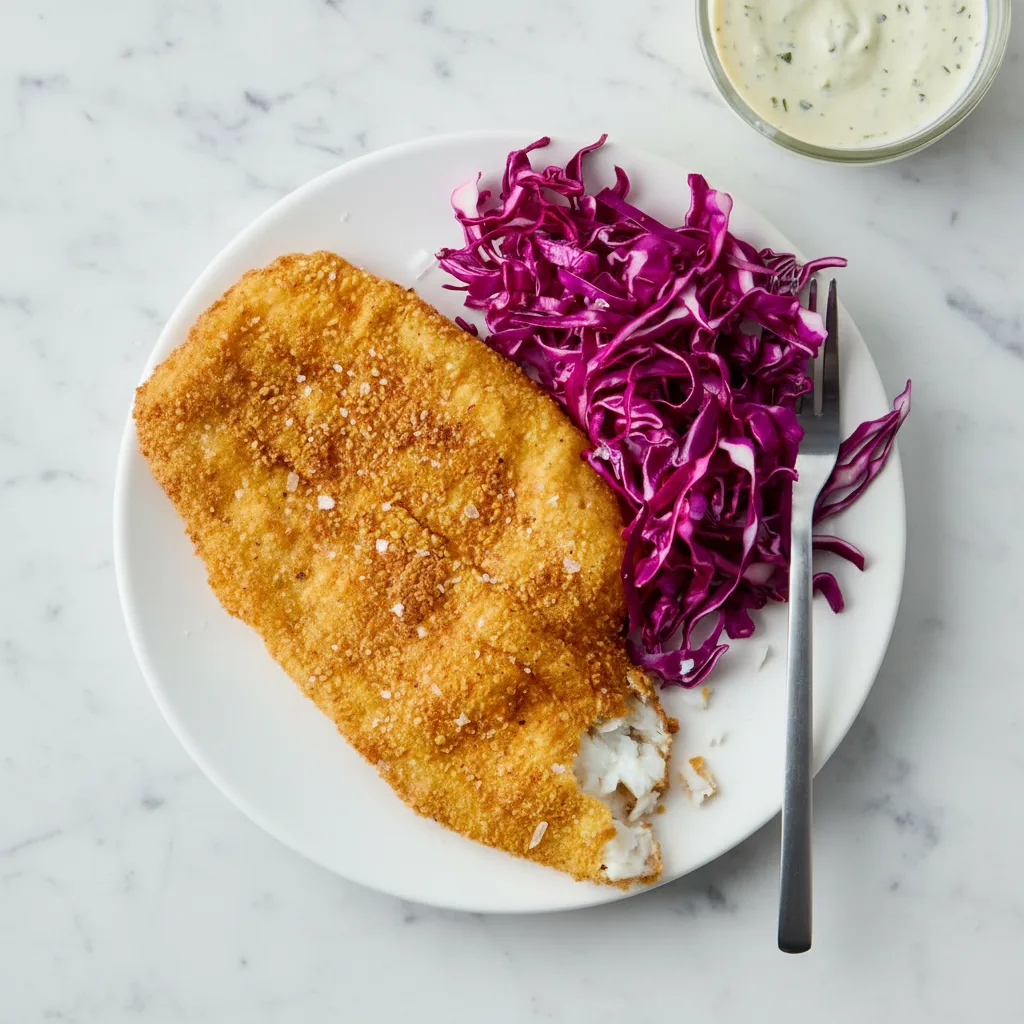

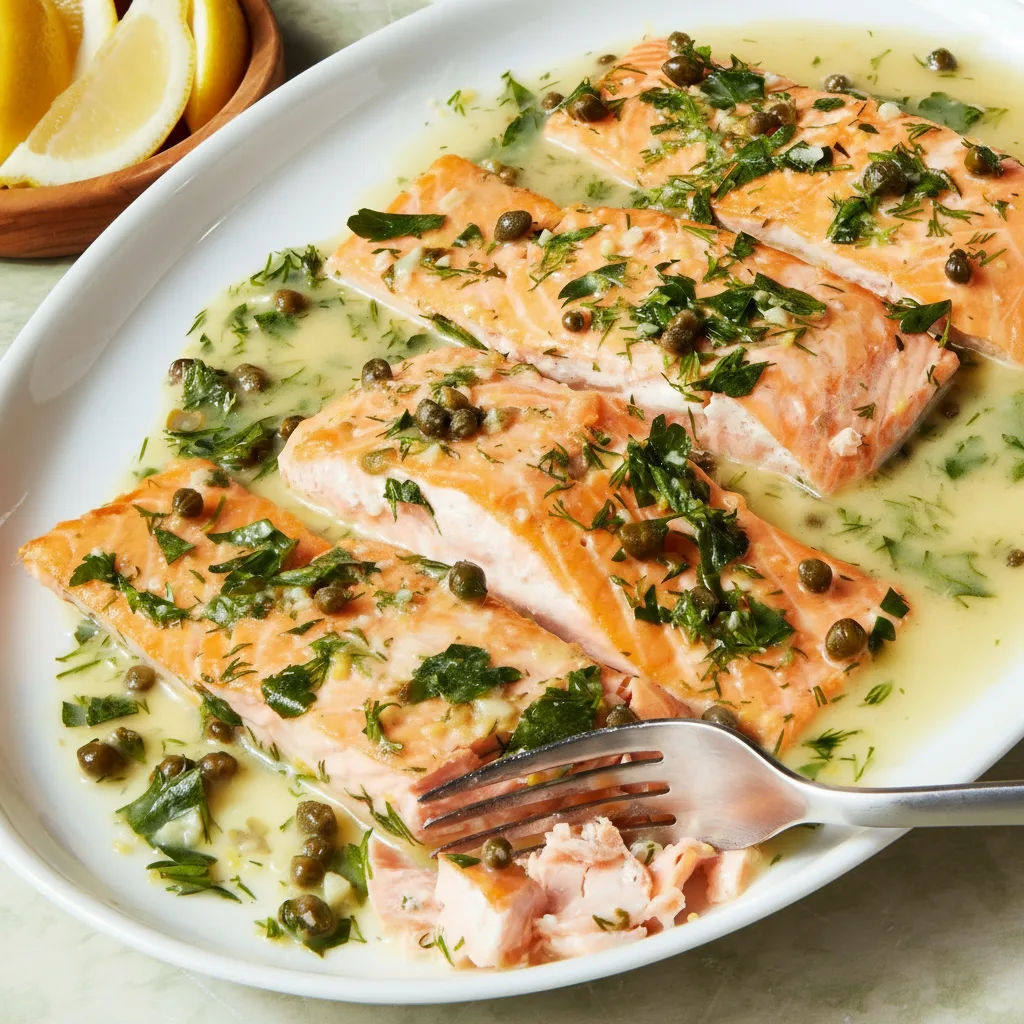
Looking for a quick and impressive dinner? This salmon piccata recipe delivers restaurant-worthy flavor right on your home table. It transforms simple salmon fillets into a golden, crispy masterpiece, all draped in a bright, buttery lemon-caper sauce.
The dish comes together in about thirty minutes, making it perfect for busy weeknights or a special weekend meal. Furthermore, its combination of lean protein and vibrant sauce creates a meal that feels both indulgent and nourishing. You will love how this recipe simplifies a classic technique for fantastic results every time.
Why You’ll Love This Salmon Piccata
This salmon piccata recipe is a true crowd-pleaser for several key reasons. First, it cooks incredibly fast. From start to finish, you will have a complete meal ready in half an hour. Additionally, the process is straightforward, using simple pan-searing and sauce-building techniques anyone can master.
The taste is another major win. The salmon develops a beautifully crisp, golden crust while staying moist and flaky inside. Then, the sauce adds a burst of tangy, savory, and rich flavor that complements the fish perfectly. Finally, it is versatile. You can serve it with pasta, roasted veggies, or a simple salad for a balanced plate.
Ingredients and Substitutions
Gathering your ingredients is the first step to success. This list focuses on fresh, simple items that create big flavor.
Base Components
- Kosher salt
- 2 lb. skinless salmon fillets (900 g)
- 3 garlic cloves, finely chopped
- 2 tbsp. capers, drained (17 g)
- 5 tbsp. unsalted butter, cold, cut into 1 Tbsp. pieces, divided (70 g)
- 3/4 c. low-sodium vegetable broth or water (180 ml)
- 1/4 c. white grape juice (60 ml)
- 2 tsp. finely grated lemon zest (4 g)
- 3 tbsp. fresh lemon juice (45 ml)
- 1 tsp. freshly ground black pepper (2 g)
- 1/2 c. coarsely chopped fresh dill and/or parsley (30 g)
Ingredient Details
Salmon is the star. You can use center-cut fillets for even thickness. For the broth, low-sodium vegetable broth adds depth, but water works well too, letting the lemon and herbs shine. The white grape juice provides a subtle sweetness and acidity that mimics the complexity of traditional recipes. Cold butter is essential for creating a luscious, glossy sauce. Finally, do not skip the fresh herbs. Dill offers a lovely anise-like flavor, while parsley adds a fresh, green note. Using both creates a more complex herbal background.
How to Make Salmon Piccata
Follow these clear steps for perfect salmon piccata. The process involves brining the salmon, pan-searing it to perfection, and crafting a simple yet spectacular sauce.
Step 1: Prepare the Salmon
First, decide if you want to brine. Brining ensures incredibly moist and seasoned fish. To brine, combine 8 cups cold water and 4 tablespoons of kosher salt in a large container, stirring to dissolve. Submerge the salmon fillets and let them sit for 10 minutes. Afterwards, pat them very dry with paper towels. If you skip brining, simply season both sides of the dry fillets lightly with salt.
Step 2: Cook the Salmon
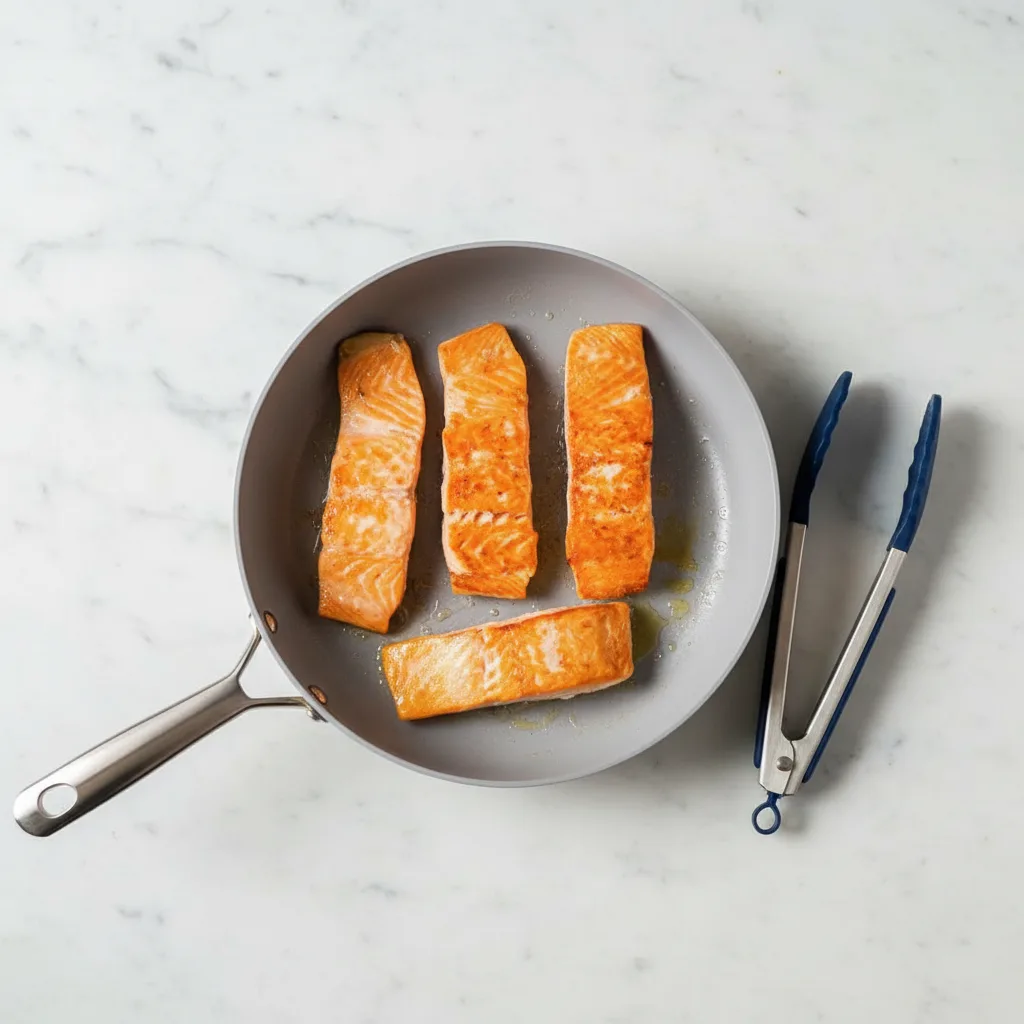
Place a large, cold nonstick skillet on the stove. Arrange the salmon fillets in a single layer, flesh side down. Turn the heat to high and cook until you hear a definite sizzle, about 1 minute. Then, reduce the heat to medium and cover the pan. Let the salmon cook, covered, for 5 minutes.
Uncover the skillet and continue cooking undisturbed until the bottom is golden brown and crispy, about 3 to 4 minutes more. Carefully flip each fillet. Cook the other side until it is also browned and crispy, about 3 to 5 minutes more. Transfer the cooked salmon to a large platter.
Step 3: Make the Sauce
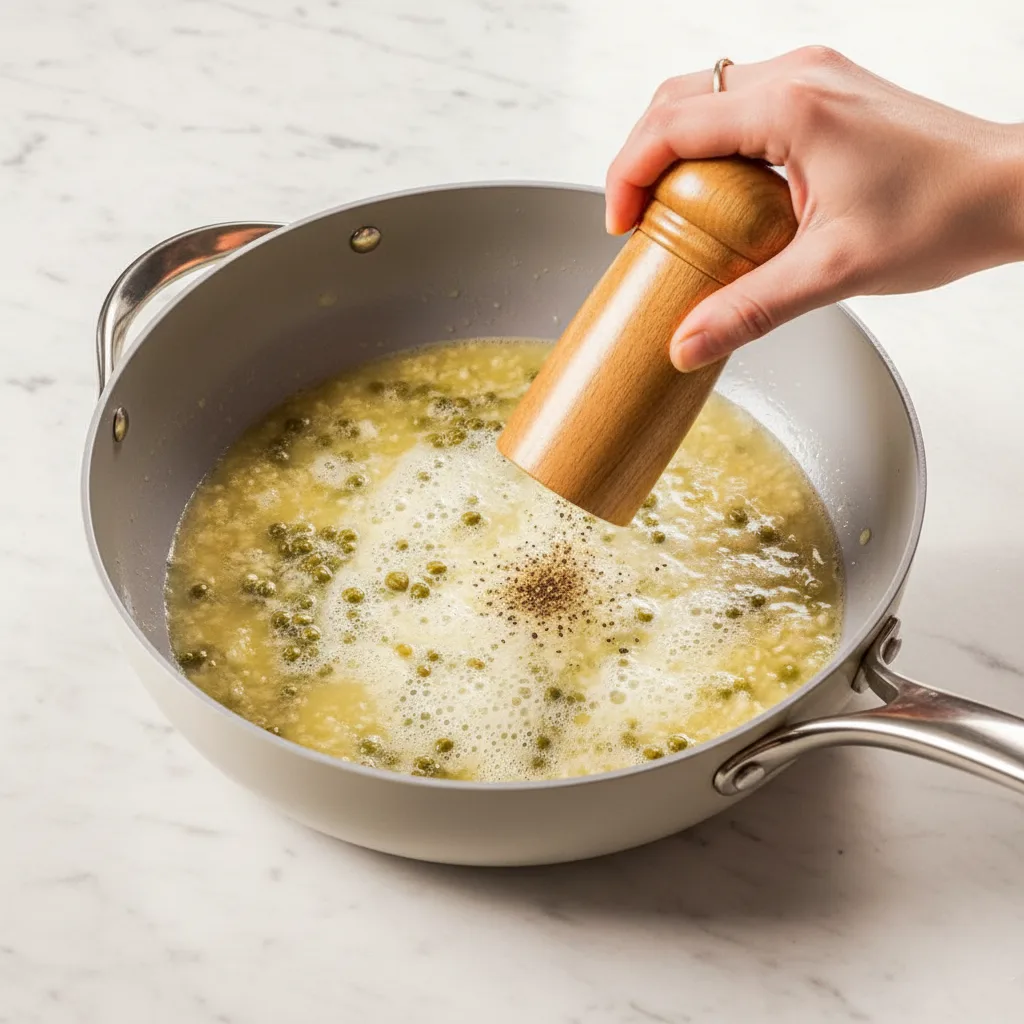
Pour off and discard any fat from the skillet, then wipe it out with a paper towel. Return the skillet to medium heat. Add the chopped garlic, drained capers, and 1 tablespoon of the cold butter. Cook, stirring often, until the butter melts and the garlic becomes fragrant, about 1 minute.
Pour in the vegetable broth, white grape juice, lemon zest, lemon juice, and black pepper. Bring the mixture to a simmer. Let it cook, stirring occasionally, until the sauce reduces slightly and thickens, about 3 to 5 minutes.
Step 4: Finish the Sauce
Reduce the heat to low. Now, you will emulsify the sauce. Whisk in the remaining 4 tablespoons of cold butter, one piece at a time. Vigorously whisk after adding each piece, and do not stop whisking until all the butter is fully incorporated and the sauce looks glossy and rich. This step is key for a smooth, velvety texture. Finally, stir in the chopped fresh dill and/or parsley.
Step 5: Serve
Spoon the warm, luxurious sauce generously over the plated salmon fillets. Alternatively, you can return the salmon to the skillet and gently swirl it in the sauce to warm through. Serve immediately for the best texture and flavor.
Pro Tips for Success
A few simple tricks guarantee excellent results. First, always pat your salmon fillets completely dry before cooking. Any surface moisture will steam the fish instead of searing it, preventing that desirable crispy crust.
Second, start with a cold pan. Placing the salmon in a cold skillet and then heating it allows the fat to render slowly, leading to better browning. Third, do not move the salmon once it is in the pan.
Let it develop that beautiful crust undisturbed. Fourth, use cold butter for the sauce. Cold butter emulsifies better into the hot liquid, creating that restaurant-quality glossy finish. Finally, whisk constantly when adding the butter at the end. This continuous motion binds the fat and liquid together seamlessly.
Flavor Variations
This recipe is wonderfully adaptable. For a richer sauce, add a splash of heavy cream after reducing the broth and juice. If you prefer a spicy kick, add a pinch of red pepper flakes with the garlic. You can also swap the herbs.
Try tarragon or chives for a different flavor profile. For a more substantial meal, add sauteed mushrooms or sun-dried tomatoes to the sauce. Another great idea is to use this same piccata method on chicken cutlets or even cauliflower steaks for a vegetarian twist.
Serving Suggestions
Salmon piccata pairs beautifully with a variety of sides. For a classic pairing, serve it over a bed of angel hair pasta or creamy mashed potatoes to soak up the delicious sauce. Light and healthy options include roasted asparagus, steamed green beans, or a simple arugula salad. A side of crusty bread is perfect for mopping up every last drop.
For a complete meal prep idea, consider pairing it with a simple quinoa or rice pilaf. If you are looking for other elegant yet easy appetizers to start your meal, classic southern deviled eggs with paprika make a fantastic choice.
Storage and Freezing Instructions
Leftovers store well with proper care. Let the salmon and sauce cool completely. Then, place them in an airtight container in the refrigerator for up to 2 days. To reheat, gently warm the salmon and sauce together in a covered skillet over low heat. You can also use the microwave on a low-power setting.
Avoid freezing the fully assembled dish, as the dairy-based sauce may separate and the salmon’s texture can become watery. However, you can freeze the cooked, unsauced salmon fillets separately for up to a month. Thaw them in the refrigerator overnight before reheating and making a fresh batch of sauce.
Nutrition Facts per Serving
| Calories | Fat | Carbs | Protein | Fiber | Sugar | Sodium |
|---|---|---|---|---|---|---|
| 630 | 45 g | 3 g | 48 g | 1 g | 1 g | 770 mg |
This nutritional information is an estimate based on the specific ingredients used. Values can vary depending on brands and exact quantities.
FAQs About Salmon Piccata
Can I use frozen salmon?
Yes, you can use frozen salmon. Thaw it completely in the refrigerator overnight first. Then, pat it very dry to remove all excess moisture before brining or seasoning. This ensures proper searing.
What can I use instead of capers?
If you do not have capers, chopped green olives make a good substitute. They provide a similar salty, briny flavor that complements the lemony sauce.
Why is my sauce not thickening?
If your sauce seems too thin, let it simmer uncovered for a few extra minutes to reduce further. Conversely, if you want a shortcut to a thicker sauce, you can mix a teaspoon of cornstarch with a tablespoon of cold water and whisk it in during the last minute of simmering.
Can I make this dish ahead of time?
You can prepare components ahead. Cook the salmon and make the sauce separately, then store them in the fridge. Gently reheat the sauce and salmon together just before serving for the best texture.
Is this recipe gluten-free?
Yes, this salmon piccata recipe is naturally gluten-free as written. Always check labels on your broth to ensure no gluten-containing additives are present.
What other proteins work with this sauce?
This versatile piccata sauce is fantastic with many proteins. Try it with chicken cutlets, shrimp, or even firm tofu. You can also use it as a dressing for a high-protein keto deviled egg salad for a unique lunch option.
Final Thoughts
This easy salmon piccata is more than just a recipe; it is a gateway to confident, flavorful cooking. It proves that you do not need complicated techniques or hard-to-find ingredients to create something truly special. The contrast of the crispy salmon and the vibrant, creamy sauce is simply irresistible.
Moreover, the process teaches fundamental skills like pan-searing and emulsion that you will use again and again. Whether you are cooking for a family dinner or impressing guests, this dish delivers every time.
For another creative twist on a classic, you might enjoy experimenting with avocado lime deviled eggs as a fresh starter. Gather your ingredients, follow these simple steps, and get ready to enjoy a restaurant-quality meal in the comfort of your own kitchen.
Recipe
Print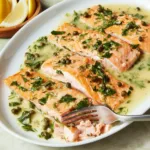
Salmon Piccata
- Total Time: 30 min
- Yield: 4 servings 1x
Description
Crispy pan-seared salmon topped with a bright, buttery lemon-caper sauce. A quick and elegant 30-minute dinner.
Ingredients
- Kosher salt
- 2 lb. skinless salmon fillets (900 g)
- 3 garlic cloves, finely chopped
- 2 tbsp. capers, drained (17 g)
- 5 tbsp. unsalted butter, cold, cut into 1 Tbsp. pieces, divided (70 g)
- 3/4 c. low-sodium vegetable broth or water (180 ml)
- 1/4 c. white grape juice (60 ml)
- 2 tsp. finely grated lemon zest (4 g)
- 3 tbsp. fresh lemon juice (45 ml)
- 1 tsp. freshly ground black pepper (2 g)
- 1/2 c. coarsely chopped fresh dill and/or parsley (30 g)
Instructions
- If brining, combine 8 cups cold water and 4 Tbsp. salt in a large container, stirring to dissolve. Add salmon and brine for 10 minutes. Pat dry. If skipping brine, lightly season both sides of dry salmon with salt.
- Arrange salmon fillets flesh side down in a single layer in a cold, large nonstick skillet. Cook over high heat until sizzling (about 1 min), then reduce heat to medium and cover. Cook covered for 5 minutes.
- Uncover skillet. Continue cooking undisturbed until bottom is browned and crispy, 3 to 4 minutes more.
- Flip salmon. Cook until the other side is browned and crispy, 3 to 5 minutes more. Transfer salmon to a platter. Drain fat and wipe out skillet.
- In the same skillet over medium heat, cook garlic, capers, and 1 Tbsp. butter, stirring, until butter melts and garlic is fragrant, about 1 minute.
- Add vegetable broth, white grape juice, lemon zest, lemon juice, and pepper. Bring to a simmer and cook, stirring occasionally, until sauce slightly thickens, 3 to 5 minutes.
- Reduce heat to low. Whisk in remaining 4 Tbsp. cold butter, one piece at a time, vigorously whisking after each addition until fully incorporated and sauce is glossy.
- Stir in chopped fresh dill and/or parsley.
- Spoon sauce over plated salmon or return salmon to skillet to warm through. Serve immediately.
Notes
- Pat salmon very dry before cooking for the crispiest crust.
- Using cold butter and whisking constantly is key for a smooth, glossy sauce.
- Leftovers can be stored in an airtight container in the refrigerator for up to 2 days.
- Prep Time: 15 min
- Category: Main Course
- Method: Baked
- Cuisine: American
Nutrition
- Calories: 630 Calories
- Sugar: 1 g
- Sodium: 770 mg
- Fat: 45 g
- Carbohydrates: 3 g
- Fiber: 1 g
- Protein: 48 g