
Low-calorie foods show up in every aisle, promising quick fixes and healthier eating. But are they really as good as they seem? This article breaks down what “low-calorie” means, when it helps, when it harms, and how to make food choices that actually support your health, energy, and fitness goals.
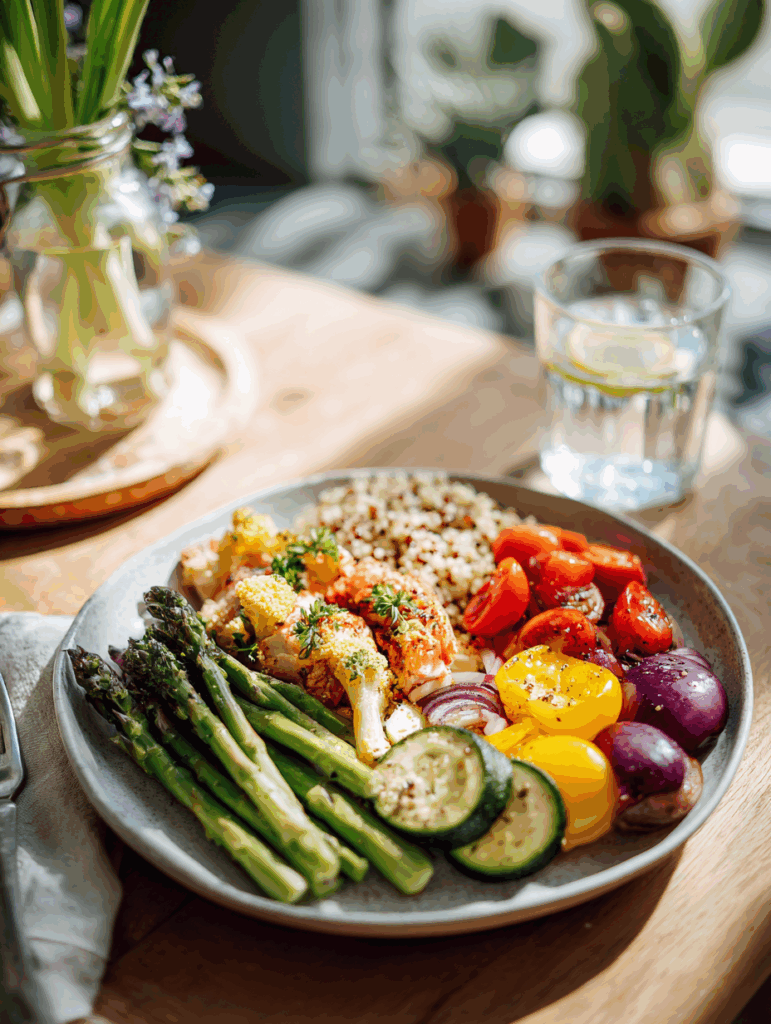
The Truth About Low-Calorie Foods
That “only 90 calories” label sounds good until you realize what’s missing.
What Makes a Food Low-Calorie?
A food is considered low-calorie when it has under 40 calories per serving. But here’s the problem — those serving sizes are often unrealistically small. Some low-calorie snacks rely on puffed fillers, gums, or artificial sweeteners instead of real nutrition just to hit that number on the label.
Take a rice cake for example. It’s around 35 calories, but it offers almost no protein, fiber, or fat. Now compare that to a Pumpkin Protein Muffin. Higher in calories? Sure. But it gives you nutrients your body can use, like muscle-building protein and energizing carbs.
Calories don’t tell the whole story. Low doesn’t mean better. It just means lower — often at the cost of satisfaction and real nourishment.
Why “Healthy” Isn’t Always About Calories
Many foods labeled as healthy are just… light. But light on what? Usually protein, fiber, or anything that keeps you full.
Eating 100 calories of crackers feels virtuous but won’t stop you from raiding the fridge later. Instead, a Peanut Butter Yogurt Bowl gives your body something it actually needs — protein, healthy fats, and a little sweetness, all in a balanced way.
The smarter choice is often the one with more calories — but more nutrition too. So skip the “light” label and focus on what fuels your body and fits your goals.
When Eating Low-Calorie Becomes a Problem
There’s a big difference between eating light and underfueling your body.
Is Eating Fewer Calories Always Healthier?
Eating less doesn’t always mean eating better. When calorie intake drops too low, especially below 1200 a day, your body shifts into survival mode. That means your metabolism slows down, muscle mass declines, and your energy crashes. You might feel tired, cold, moody, or even foggy.
If you’re active, trying to build strength, or simply want to feel good throughout the day, you need more than just a small number. You need nutrients that support recovery, hormone balance, and lean muscle. A high-protein, moderate-calorie meal like our Chicken Katsu Bento Box fuels your day better than a handful of air-popped chips.
Calories aren’t the enemy. Empty calories are.
Why Ultra-Low-Calorie Diets Backfire
Here’s what happens when your body doesn’t get enough:
- Cravings and hunger spike
- Muscle breakdown increases
- Your body clings to fat stores
- Workouts feel harder
- Recovery takes longer
And long-term? Your progress slows or even reverses. You might start with good intentions, but if you’re living off 700 to 900 calories, results will stall fast.
Instead, nourish your goals. Meals like the Buffalo Chicken Stuffed Zucchini Boats are flavorful, satisfying, and balanced in macros — high in protein, rich in fiber, and designed to help you feel full without feeling restricted.
You don’t need to eat the smallest meal on the menu. You need to eat the one that works for your life, your energy, and your strength.
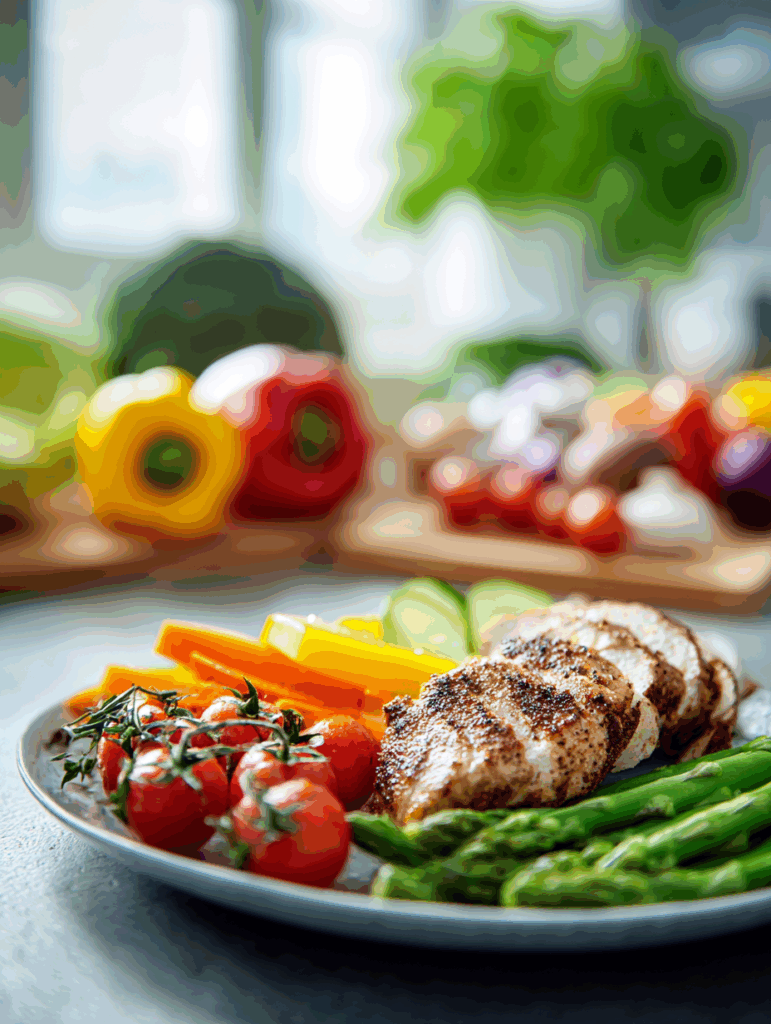
Not All Low-Calorie Foods Are Created Equal
Two foods with the same calories can have totally different effects on your body.
What’s Actually Inside That Low-Calorie Food?
Just because a label says “low-calorie” doesn’t mean it’s helpful. Some products shave off calories by stripping away nutrients. Others load up on additives, fake fibers, or artificial sweeteners to stay under the limit.
For example, a low-calorie frozen meal might be 270 calories — but it could be 60% sodium, barely any protein, and leave you hungry in 30 minutes. On the other hand, our Low Calorie Pasta Salad offers whole ingredients, fiber, and lean protein that keep you fuller longer without going overboard.
The same calorie number doesn’t mean the same fuel. One builds strength and energy. The other just fills a gap — temporarily.
What matters more than the number is the quality behind it.
Smart Swaps That Actually Support Your Goals
Instead of cutting calories blindly, focus on smarter replacements that improve your meals without sacrificing satisfaction. Here are a few real swaps that work:
- Replace sugar-heavy yogurts with a Peanut Butter Greek Yogurt Bite
- Skip carb-heavy sides and go for a veggie-loaded Hot Honey Chicken Bowl
- Craving dessert? Try Mini Protein Cheesecakes for a better balance of calories and protein
You can eat fewer calories without losing nutrients. The goal isn’t to shrink your meals — it’s to strengthen them.
The best low-calorie meals are the ones that work harder for you. Not just to fill a plate, but to fuel your workouts, support recovery, and keep you going strong through the day.
How to Make Low-Calorie Work for You
You don’t have to choose between low-calorie and well-fed — you can have both.
How to Choose the Right Low-Calorie Foods
The best low-calorie foods aren’t the ones with the smallest numbers. They’re the ones that deliver maximum nutrition per bite. You’re looking for meals that combine protein, fiber, and volume — not empty carbs or artificial fillers.
Here’s what to prioritize:
- Ingredients you recognize
- Protein as a main component
- Enough fiber to slow digestion
- Healthy fats for satisfaction
Skip the “100-calorie” packs of fluff and go for meals like the Cilantro Lime Steak Bowls. These types of meals offer flavor, satiety, and the macros that support real results.
You don’t have to fear calories — you have to use them wisely.
When More Calories Are the Better Option
Some meals are worth every calorie. Why? Because they help you build muscle, stabilize blood sugar, and avoid the snack attacks that happen when meals don’t satisfy. That’s where something like our Creamy Chicken and Rice Soup comes in — it’s hearty, nutrient-dense, and supports your health goals, not just your appetite.
Low-calorie isn’t always right. Sometimes the smarter move is a moderate-calorie meal that’s high in protein and fiber, which keeps you full and energized for hours.
You’ll feel stronger, perform better, and recover faster when you eat enough of the right stuff.
Remember — the goal isn’t to eat less. It’s to eat better.
Final Thoughts
So, are low calorie foods healthy? Sometimes, yes — but it depends on what’s behind the label. Low calorie isn’t the goal. Feeling strong, satisfied, and well-fueled is. Instead of chasing the lowest number, focus on real food with real nutrients.
Smart low-calorie meals include enough protein, fiber, and flavor to actually support your lifestyle. The best approach is never about eating less. It’s about eating better. And with the right meals, you won’t need to guess — you’ll feel the difference.
FAQ
Is it healthier to eat less calories?
Not always. Eating fewer calories can support weight loss, but too few can slow your metabolism, reduce energy, and increase cravings. What matters more is where those calories come from. High-quality, protein-rich meals keep you full and support your goals better than simply cutting calories for the sake of it.
Is 700 calories a day enough?
For most adults, no. 700 calories a day is far too low and can lead to nutrient deficiencies, fatigue, and muscle loss. It may cause short-term weight loss, but it’s not sustainable or healthy long-term. Your body needs more to function properly, especially if you’re active or trying to build strength.
Is 1200 calories a day too little?
For many people, yes. 1200 calories is often considered the bare minimum, and it’s usually not enough for active individuals or anyone trying to support muscle growth or recovery. Instead, focus on balanced meals with enough protein and fiber to fuel your daily needs without extreme restriction.
Is 800 calories a lot for one meal?
It depends on what’s in that meal. 800 calories from balanced ingredients — like lean protein, whole grains, and healthy fats — is a solid choice. It’s better to eat a filling, nutrient-dense 800-calorie meal than to snack on 3 empty 200-calorie items that leave you hungry again.