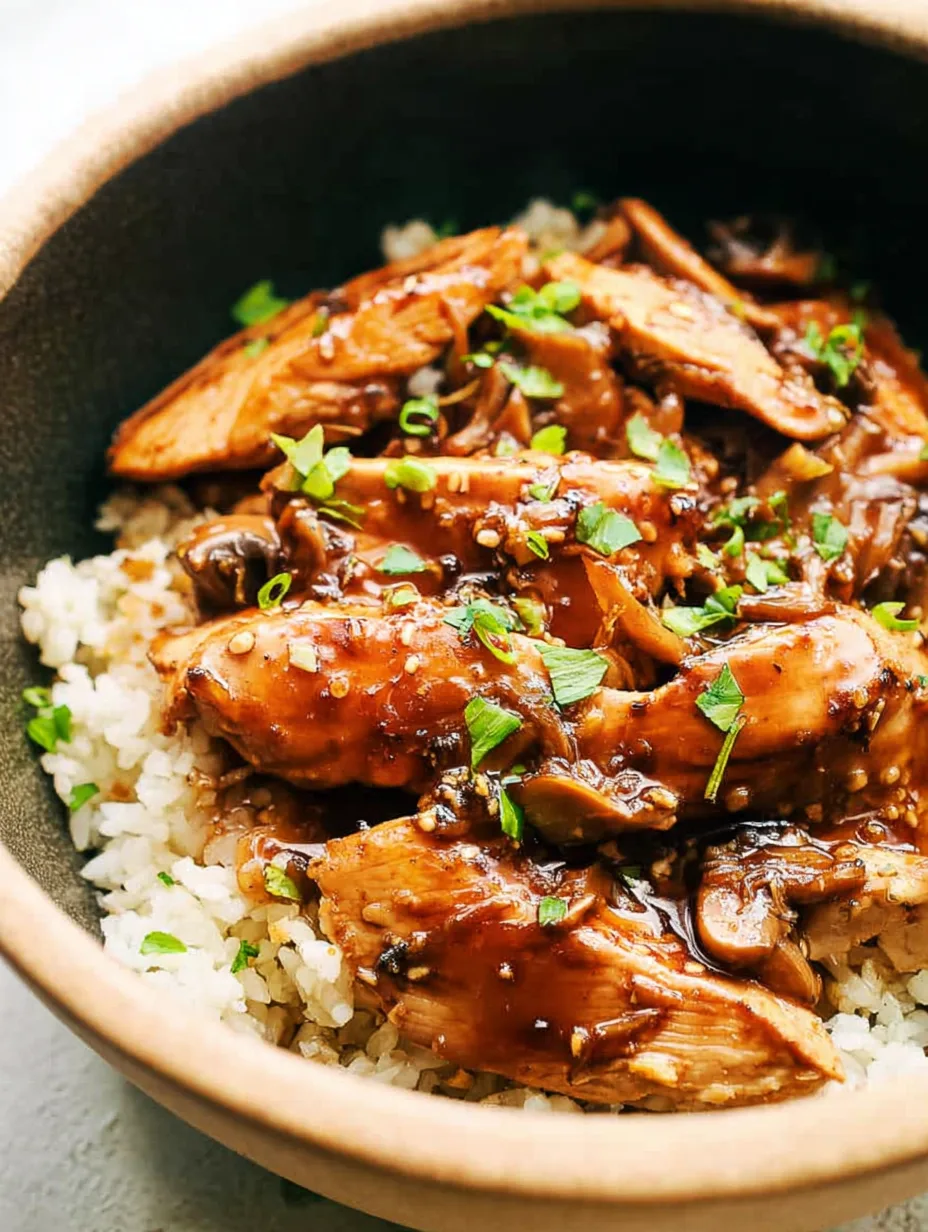

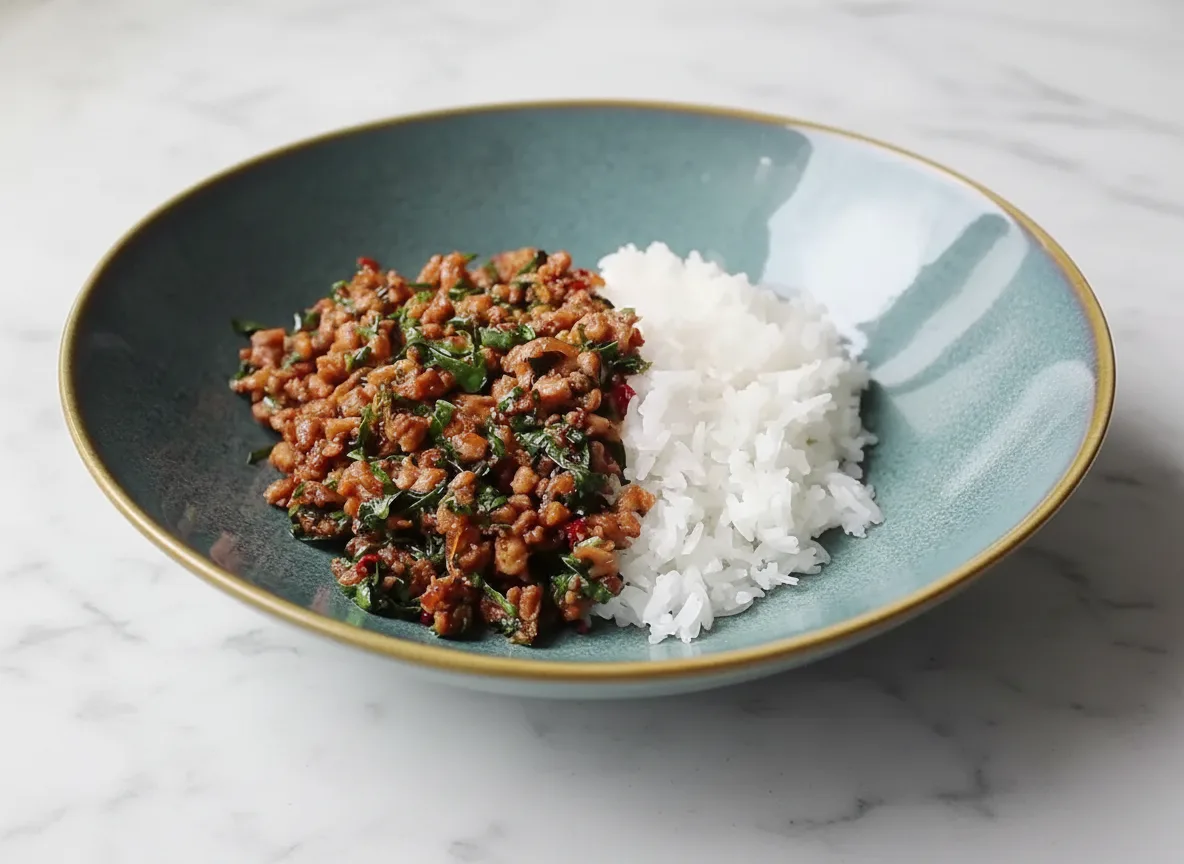
Bring the vibrant flavors of Thailand to your kitchen with this easy Thai Basil Chicken recipe. Commonly called Pad Krapow Gai, this spicy stir-fry combines tender chicken, aromatic seasonings, and fresh basil for a dish that’s both comforting and exciting.
Perfect for busy weeknights when you want restaurant-quality flavor without complicated techniques.
Why You’ll Love This Spicy Wok Meal
Three key factors make this dish stand out. First, the cooking technique creates incredible depth of flavor through caramelization.
Second, the spicy-savory sauce perfectly coats each piece of chicken. Third, fresh basil adds a bright herbal note that balances the heat. Even better, you can make everything in one pan for easy cleanup.
Quick Preparation
With just 25 minutes from start to finish, this recipe delivers exceptional flavor without lengthy marinating or prep work. The method moves quickly once you start cooking, making it ideal for home chefs who want impressive results fast.
Customizable Heat Levels
Control the spice level by choosing milder peppers or reducing quantities. For an authentic Thai experience, keep the chilias as written. Many enjoy pairing this protein-packed meal with crispy stir-fried noodles when serving groups with varied spice preferences.
Recipe
Print
Thai Basil Chicken (Pad Krapow Gai) – Spicy Wok Meal
- Total Time: 25 min
- Yield: 2 servings 1x
Description
Spicy Thai stir-fry with chicken and fresh basil served over rice
Ingredients
- 1/3 cup vegetable broth (80 ml)
- 1 tablespoon soy sauce
- 1 tablespoon additional soy sauce, or as needed
- 2 teaspoons fish sauce
- 1 teaspoon white sugar
- 1 teaspoon brown sugar
- 2 tablespoons vegetable oil
- 1 pound skinless, boneless chicken thighs, coarsely chopped (450 g)
- 1/4 cup sliced shallots (40 g)
- 4 cloves garlic, minced
- 2 tablespoons minced Thai chilies, Serrano, or other hot pepper
- 1 cup very thinly sliced fresh basil leaves (40 g)
- 2 cups hot cooked rice (400 g)
Instructions
- Gather ingredients.
- Whisk vegetable broth, soy sauce, additional soy sauce, fish sauce, white sugar, and brown sugar together in bowl until well blended.
- Heat large skillet over high heat. Drizzle in oil. Add chicken and stir fry until it loses its raw color, 2 to 3 minutes.
- Stir in shallots, garlic, and sliced chilies. Continue cooking on high heat until some juices start to caramelize, about 2 or 3 more minutes.
- Add about a tablespoon of the sauce mixture to skillet; cook and stir until sauce begins to caramelize, about 1 minute.
- Pour in rest of sauce. Cook and stir until sauce has deglazed bottom of pan and glazes onto meat, 1 or 2 more minutes. Remove from heat.
- Stir in basil. Cook and stir until wilted, about 20 seconds. Serve with rice.
Notes
- Slice basil just before adding to prevent oxidation
- For extra heat, add chili flakes with sauce mixture
- Use fresh garlic for best flavor results
- Serve immediately for optimal texture
- Prep Time: 15 min
- Cook Time: 10 min
- Category: Main Course
- Method: Baked
- Cuisine: American
Nutrition
- Calories: 715 kcal
- Sugar: 6 g
- Sodium: 1182 mg
- Fat: 30 g
- Carbohydrates: 59 g
- Fiber: 1 g
- Protein: 50 g
Ingredients and Substitutions
These carefully selected ingredients create balanced Thai flavors. For best results, stick close to the original components, but try these swaps when needed.
Protein Options
- Chicken thighs: Use ground turkey or finely chopped portobello mushrooms
- Vegetable broth: Replace chicken broth with vegetable broth
- Dark soy sauce: Substitute light soy sauce if unavailable
Aromatic Vegetables
- Thai chilies: Replace with jalapeños or bell peppers
- Shallots: Use red onion as alternative
- Garlic: Fresh minced offers best flavor
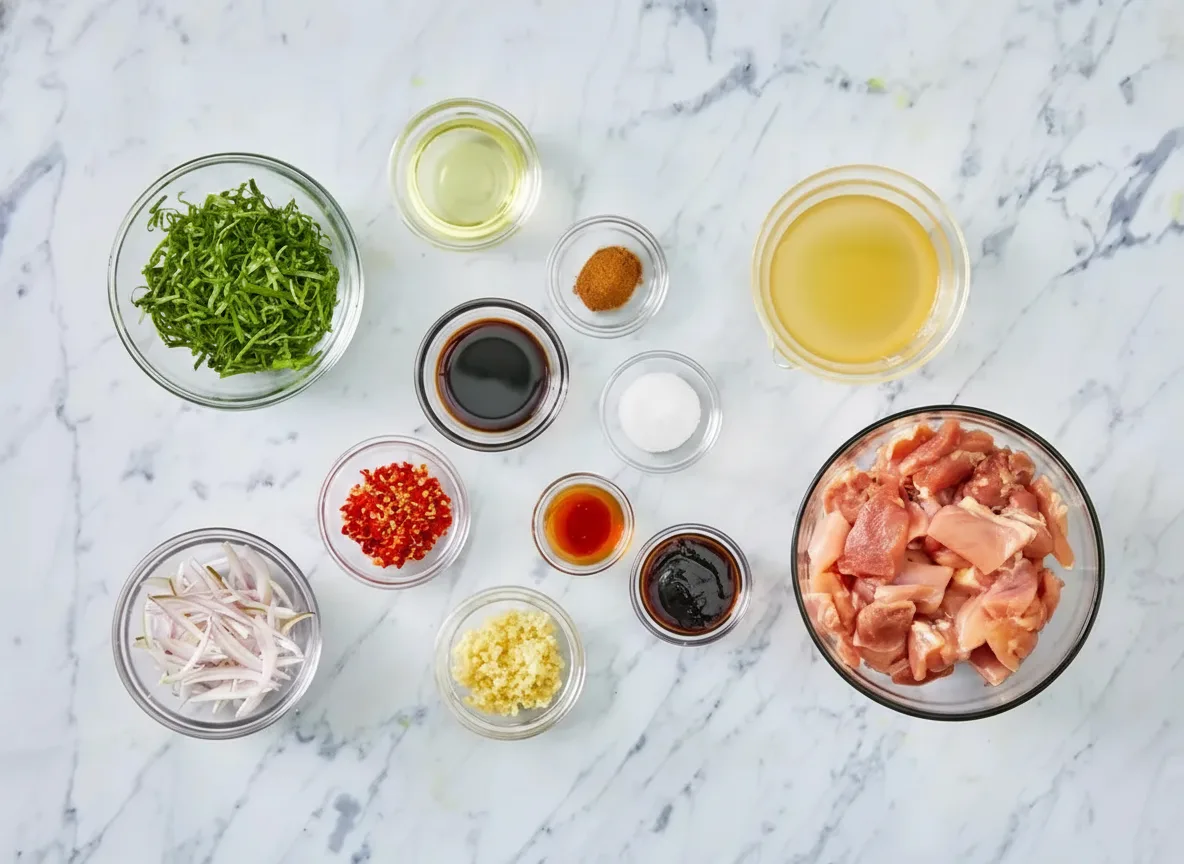
How to Make Thai Basil Chicken
Follow these simple steps for perfect results every time. Key tips: keep your skillet hot and prepare all ingredients beforehand.
Step 1: Sauce Preparation
Whisk vegetable broth, soy sauce, fish sauce, white sugar, and brown sugar together until sugars dissolve completely. For deeper flavor, let the sauce sit 10 minutes before cooking.
Step 2: Chicken Cooking
Heat oil in large skillet until shimmering. Add chicken and spread into single layer. Let sear undisturbed 30 seconds before stirring for even browning.
Step 3: Vegetable Incorporation
When chicken loses raw color, add shallots, garlic, and peppers. Stir constantly to prevent burning while developing caramelized bits. These golden bits add complexity to the final dish.
Step 4: Sauce Addition
Start with one tablespoon of sauce, stirring until it thickens and coats ingredients. This creates instant flavor layers. Gradually add remaining sauce while stirring to emulsify it with cooking oils.
Step 5: Basil Finishing
Remove from heat before adding basil. Residual heat wilts leaves perfectly without turning them black. For extra brightness, garnish with whole basil leaves before serving.
Pro Tips for Success
Avoid common pitfalls with these expert techniques developed through extensive kitchen testing.
Wok Management
Maintain high heat throughout cooking. Let skillet reheat between steps if needed. Crowding lowers temperature dramatically – cook in batches if doubling recipe.
Sauce Consistency
The sauce should lightly glaze ingredients without pooling. Too thin? Cook longer evaporating liquid. Too thick? Add splash of broth. This amazing Mongolian beef recipe uses similar sauce reduction techniques you can apply here.
Basil Techniques
Stack leaves before slicing to create uniform ribbons. Add three-quarters during cooking, reserving rest for garnish. Always use fresh – dried basil lacks essential oils.
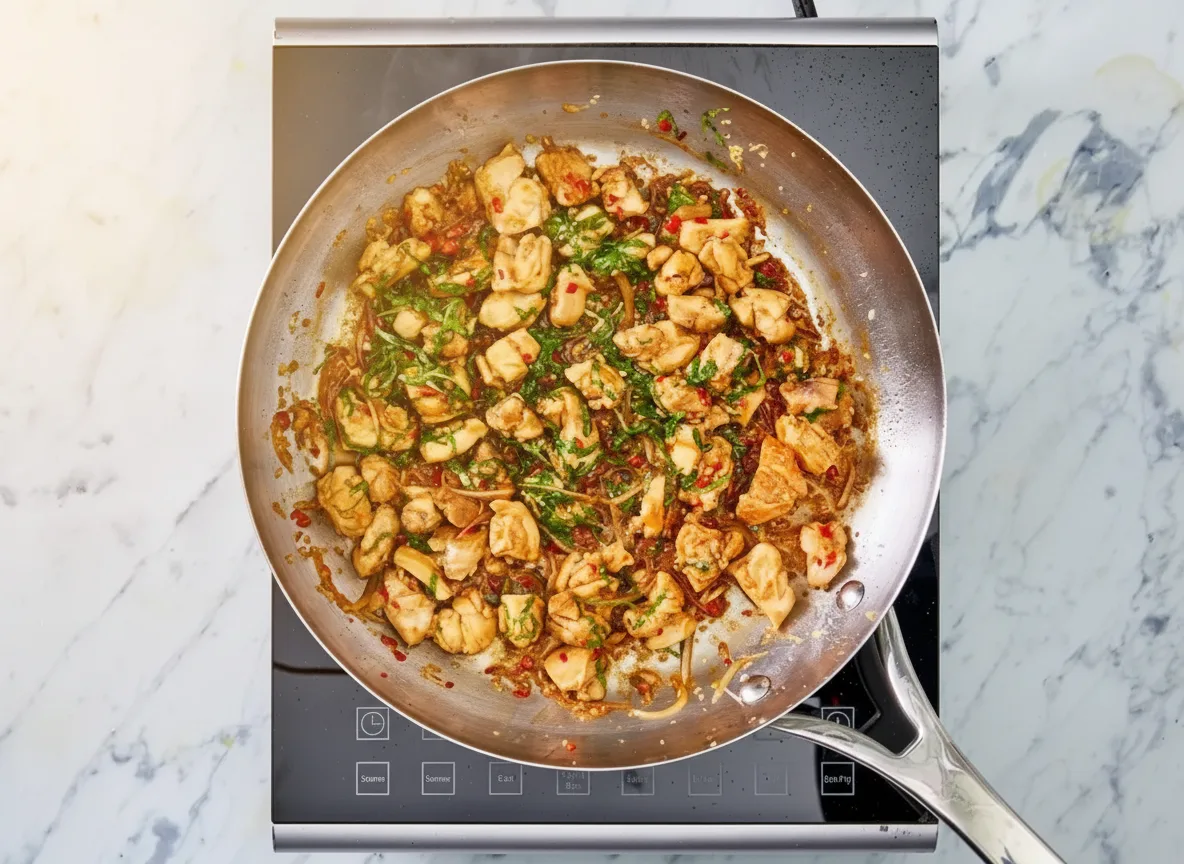
Flavor Variations
While delicious as written, these creative adaptations let you customize to preferences.
Vegetarian Twist
Swap chicken for extra-firm pressed tofu cubes. Use mushrooms for meaty texture. Increase soy sauce by one tablespoon for umami boost.
Seafood Option
Substitute shrimp or scallops for chicken. Reduce cook time by half to prevent overcooking. Add splash of lemon juice before serving.
Extra Vegetable
Include sliced bell peppers, baby corn, or snow peas with aromatics. Blanch hard vegetables first for quick cooking in hot wok.
Serving Suggestions
Traditionally served with jasmine rice, but explore these tempting alternatives.
Rice Alternatives
- Coconut rice for tropical sweetness
- Cauliflower rice for low-carb option
- Steamed quinoa for nutty alternative
Accompaniments
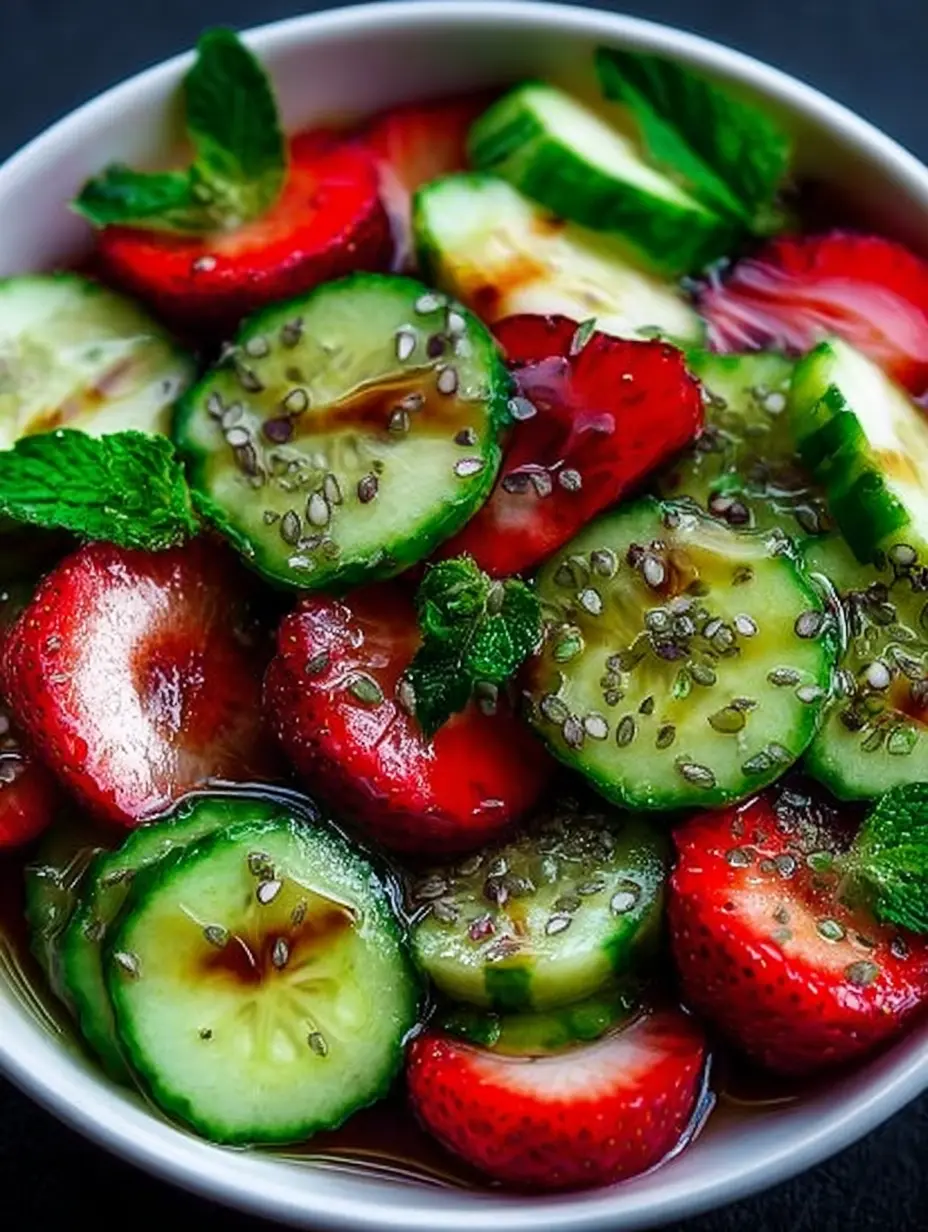
Pair with cooling cucumber salad or pickled vegetables. Fried egg topping adds protein and textural contrast. Both complement the dish beautifully.
Presentation Ideas
Serve family-style with fresh herbs on the side. Use colorful plates to highlight vibrant ingredients. For additional flavor inspiration, our caramelized soy chicken dish demonstrates beautiful plating techniques.
Storage and Freezing Instructions
Proper storage keeps leftovers tasting fresh and flavorful.
Refrigeration
Cool completely before transferring to airtight container. Refrigerate up to four days. Reheat gently in skillet with splash of water.
Freezing
Freeze portion-sized servings in freezer bags. Add fresh basil when reheating. Maximum freezer storage: two months.
Reheating Tips
Thaw overnight if frozen. Heat in wok over medium with small amount of oil. Stir frequently until heated through.
Nutrition Facts per Serving
| Calories | Fat | Carbs | Protein | Fiber | Sugar | Sodium |
|---|---|---|---|---|---|---|
| 715 kcal | 30 g | 59 g | 50 g | 1 g | 6 g | 1182 mg |
FAQs About Thai Basil Chicken
Can I make this dish less spicy?
Absolutely. Remove chili seeds before chopping or use sweet peppers instead. Reduce pepper quantity by half for mild version. Serve yogurt sauce on the side to cool bites.
What’s the best basil type?
Holy basil provides authentic flavor, but Thai or Italian basil work well. Buy more than needed – basil volume reduces significantly during cooking.
Can I use ground chicken?
Yes. Brown thoroughly and break into small crumbles. Increase sauce by half if using lean ground chicken. Cook time decreases by about two minutes.
How can I avoid rubbery chicken?
Don’t overcrowd skillet. Use high heat. Stir occasionally but allow surfaces to caramelize. Remove from heat as soon as cooked. Slicing thick parts helps even cooking.
What pan alternative works for this?
Cast iron provides excellent heat retention. Standard nonstick skillets work when cooking small batches. Avoid thin pans that create hot spots.
Final Thoughts
This Thai Basil Chicken recipe delivers big flavors minimal effort. Perfect for your next busy weeknight or casual dinner party.
The technique emphasizes caramelization for maximum umami impact while fresh ingredients keep the dish tasting bright and balanced.
Best of all, you can customize spice levels and vegetable additions to personal preference. Serve hot with steamed rice or try our suggested alternatives for a complete meal that excites your tastebuds. Happy cooking!