
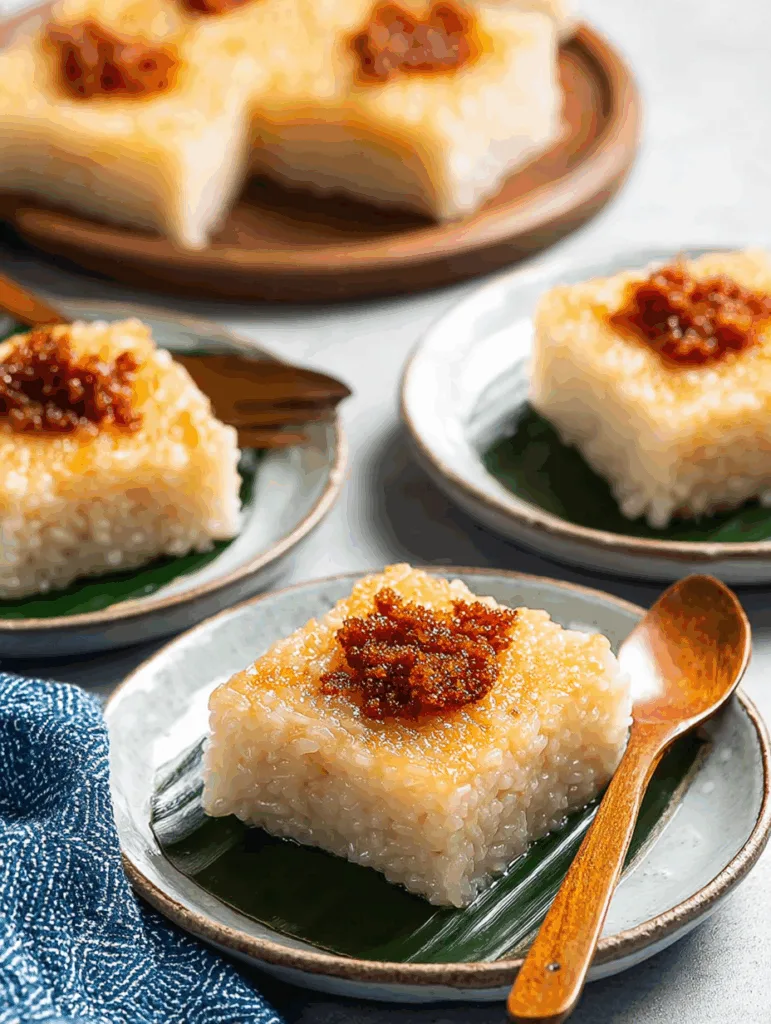
Ever met a dessert so simple yet so dangerously addictive it could make you “accidentally” eat half the pan? That’s Easy Biko (Filipino Sticky Rice Cake) for you. A sticky, golden, coconut-scented wonder that’s part nostalgia, part sugar rush, and one hundred percent happiness. It’s the kind of treat your lola swears by and your diet plan secretly fears.
Whether you’re making it for a cozy weekend, a potluck, or just because your sweet tooth started whispering at 2 a.m., this recipe will be your new best friend. Get ready because this chewy caramel rice magic is about to become your latest obsession.
What Makes Easy Biko (Filipino Sticky Rice Cake) So Special
You can spot Biko at every Filipino gathering. Birthdays, fiestas, even quiet Sunday merienda sessions someone always shows up with this glossy, sweet rice cake in tow. It’s tradition wrapped in coconut and sprinkled with love (and a generous amount of brown sugar). What’s amazing is how this humble dessert manages to turn just a few pantry staples into something legendary.
The Sweet History Behind Biko
Biko has been delighting Filipino tables for generations. It’s one of those dishes where everyone’s aunt has a “secret twist,” yet all versions share the same comforting base sticky rice, coconut milk, and sugar cooked together until they cling like lifelong friends. Think of it as the tropical cousin of rice pudding but with more attitude and far fewer dishes to wash.
What’s even more fascinating? This dessert has traveled across time and regions, morphing subtly in every province but always keeping its sweet heart intact. Some line it with banana leaves for an aromatic edge, others caramelize the top until it gleams. Either way, you’re in for something spectacular.
Why Everyone Craves That Sticky Coconut Goodness
Here’s the secret Easy Biko (Filipino Sticky Rice Cake) hits that perfect harmony between creamy and chewy. The coconut milk coats each grain, the brown sugar caramelizes into a rich glaze, and together they form that irresistible “sticky-sweet” magic. One bite and you’ll know why it’s impossible to stop at just one square.
If you’re a fan of desserts that balance texture and sweetness, you’ll love how Biko mirrors that same harmony found in airy treats like Pavlova, only with a tropical flair that hugs your taste buds like sunshine on a plate.
So, yes Biko’s simplicity is its secret weapon. Every chewy, glossy square proves that you don’t need fancy tools or complicated steps to make something utterly mouthwatering. You just need patience, coconut, and an appetite for joy.
Recipe
Print
Easy Biko (Filipino Sticky Rice Cake)
- Total Time: 7 hrs
- Yield: 4 to 6 servings 1x
- Diet: Vegetarian
Description
Easy Biko (Filipino Sticky Rice Cake) is a sweet, chewy dessert made with glutinous rice, coconut milk, and brown sugar, topped with golden latik sprinkles. A beloved Filipino classic, it’s simple, comforting, and deeply flavorful.
Ingredients
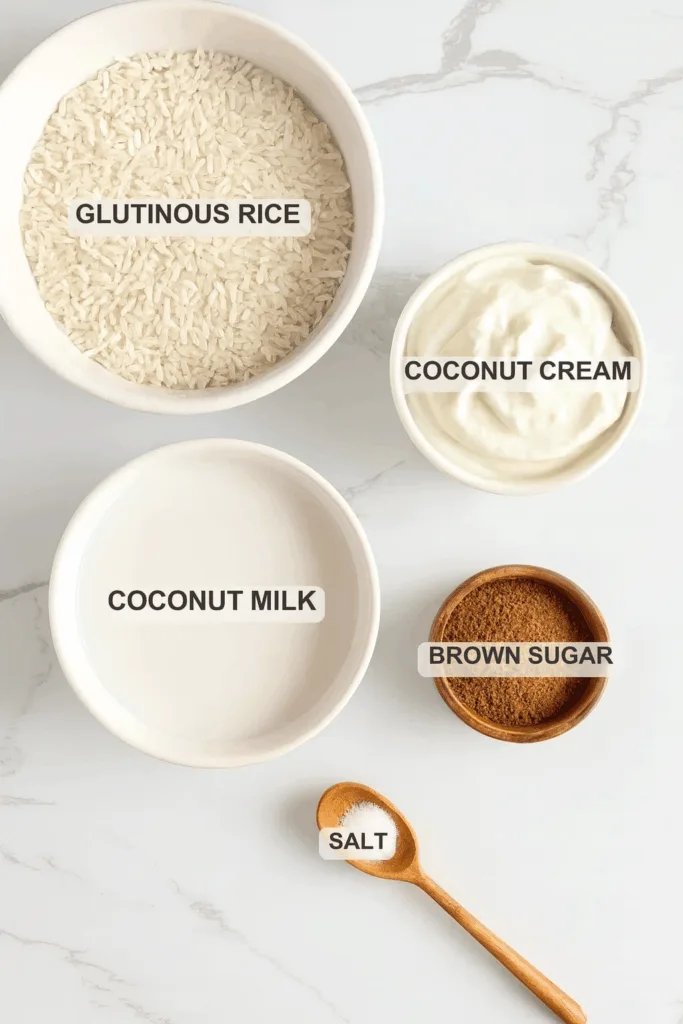
- 1 1/2 cups (285 g) glutinous rice (malagkit)
- 1 (8-ounce / 240 ml) can coconut cream
- 1 (13.5-ounce / 400 ml) can full-fat coconut milk
- 1/2 cup (100 g) brown sugar
- 1/2 teaspoon salt
Instructions
- Add glutinous rice to a bowl and cover with water by about 1 inch (2.5 cm). Cover and soak for 6 hours or overnight.
- To make latik, heat coconut cream in a small saucepan over medium-high heat until it boils and separates into golden brown solids. Stir constantly to prevent burning. Remove from heat once crisp and separate solids from oil.
- Preheat oven to 375°F (190°C). Brush an 8×8-inch (20×20 cm) baking pan with the reserved coconut oil.
- Drain soaked rice and discard the soaking water.
- In a large skillet, combine the rice, coconut milk, brown sugar, and salt. Stir over medium heat until thick, creamy, and doubled in size—about 15 minutes. Lower heat if it boils too aggressively.
- Transfer thickened mixture to the greased baking pan. Smooth the surface with a spatula.
- Bake for about 30 minutes until the top is firm and slightly caramelized. Remove and cool completely.
- Slice into 2×2-inch (5×5 cm) squares. Top with golden latik sprinkles before serving.
Notes
- Use leftover coconut oil from the latik to grease your pan or drizzle over the finished Biko for extra flavor.
- If you prefer a deeper caramel taste, use dark brown sugar instead of light brown sugar.
- Store leftovers in an airtight container for up to 4 days. Keep latik separate for best texture.
- Prep Time: 10 mins
- Cook Time: 50 mins
- Category: Dessert
- Method: Baked
- Cuisine: Filipino
Nutrition
- Serving Size: 1 square (approx. 100 g)
- Calories: 197
- Sugar: 18g
- Sodium: 105mg
- Fat: 5g
- Saturated Fat: 4g
- Unsaturated Fat: 1g
- Trans Fat: 0g
- Carbohydrates: 37g
- Fiber: 1g
- Protein: 2g
- Cholesterol: 0mg
The Secret Ingredients and Perfect Texture of Easy Biko (Filipino Sticky Rice Cake)
If desserts had a simplicity award, Easy Biko (Filipino Sticky Rice Cake) would win by a landslide. We’re talking about a dessert that’s only made with a few humble ingredients, yet somehow tastes like a celebration in your mouth. Forget complicated techniques or mystery flavorings this sweet, sticky wonder thrives on pure coconut charm and patience.
The Magic Trio: Rice, Coconut, and Sugar
Let’s talk about the holy trinity behind this heavenly treat. First up: glutinous rice also known as malagkit. It’s the chewy backbone of your Biko and gives it that signature sticky pull. Regular rice won’t cut it here, so grab the good stuff. Think of it as the dessert world’s version of using the right tool for the job because without the proper rice, you’ll end up with a sad, soupy mess instead of a chewy dream.
Next, coconut milk and coconut cream join the party. These two are like the dynamic duo of tropical desserts one silky, one rich, both irresistibly fragrant. They mingle with the rice to create that luscious, velvety texture that makes every bite feel like you’re vacationing somewhere sunny (even if you’re just in your kitchen wearing fuzzy socks).
And then there’s brown sugar the caramel-making champion. It doesn’t just sweeten things up; it gives your Biko that warm, toasty flavor that balances perfectly with the creaminess. Sprinkle in a dash of salt and boom! your flavor game just went from good to goosebumps.
Here’s a tip: the secret to a perfect Easy Biko (Filipino Sticky Rice Cake) is the stirring. You’ve got to stir it like you mean it. Keep those arms moving so the mixture thickens evenly and the sugar doesn’t burn. Sure, your forearms might protest a little, but one chewy bite later and you’ll forgive them instantly.
Latik: The Golden Sprinkle That Steals the Show
Ah, latik. If Biko were a concert, latik would be the encore everyone’s waiting for. It’s made by simmering coconut cream until it splits into oil and golden-brown bits that look like tiny sprinkles of edible gold. They bring texture, crunch, and an addictive nutty finish that transforms your Biko from sweet to unforgettable.
The best part? That leftover coconut oil isn’t just kitchen waste it’s liquid flavor gold. You can brush it on your baking pan, drizzle it over your finished Biko, or save it for another dessert craving down the line. (Hint: try it in your next Chocolate Delight for a tropical twist that’ll blow your mind.)
Latik may look small, but its flavor impact is enormous. It adds a toasted coconut aroma that hugs the sweetness of the rice, giving Easy Biko (Filipino Sticky Rice Cake) a finish so good, your guests might fight over the corner pieces.
Step-by-Step Guide to Making Easy Biko (Filipino Sticky Rice Cake)
Ready to create your own chewy masterpiece? Making Easy Biko (Filipino Sticky Rice Cake) is like a dance you just need rhythm, patience, and maybe a good spoon for stirring. It’s the kind of recipe that doesn’t need fancy gadgets or culinary wizardry, just a bit of love and some coconut magic.
Cooking the Perfect Sticky Base
Start by soaking your glutinous rice in water for a good six hours or overnight. It’s like giving the rice a spa day it softens up beautifully and cooks more evenly later. When it’s ready, drain it well, because no one likes soggy drama in their dessert.
Now grab your skillet (or a heavy pan that can handle some stirring action) and combine the soaked rice, coconut milk, brown sugar, and a pinch of salt. That’s your power combo right there. Stir gently as it heats up, letting the ingredients mingle and flirt a little.
Soon, the mixture thickens, bubbling lazily as the rice drinks up the creamy coconut goodness. Keep stirring! The trick to nailing that signature Biko chew is constant motion if you get distracted scrolling through food videos, you’ll end up with caramelized cement. The goal? A thick, glossy, porridge-like texture that smells so good you’ll be tempted to eat it straight from the pan (no judgment).
When your arms start to question your life choices, that’s your sign it’s ready.
Baking to Chewy Perfection
Next, preheat your oven to 375°F (190°C). Take that rich coconut oil you made from the latik earlier and brush it on your baking pan like you’re prepping a masterpiece canvas. Then spread the rice mixture evenly into the pan and smooth it out think zen garden, but stickier and more delicious.
Slide it into the oven and let it bake for about 30 minutes. This part is pure alchemy the top firms up, the sugar deepens, and the aroma fills your kitchen like a tropical bakery dream. When it comes out, let it rest before slicing, unless you enjoy burning your tongue (we’ve all been there).
Once cool, cut your Easy Biko (Filipino Sticky Rice Cake) into neat squares and sprinkle that golden latik on top. Congratulations you’ve just made one of the Philippines’ most beloved desserts, and probably earned yourself a few new fans in the process.
If you’re into baked treats with a caramelized twist, this step might remind you of the rich sweetness of Citrus Upside Down Cake, only Biko is denser, stickier, and proudly coconutty.
Serve it warm, admire your handiwork, and take a bite that’ll make your taste buds sing karaoke.
Serving, Storing, and Sweet Twists on the Classic Biko
You’ve conquered the kitchen, tamed the sticky rice, and created your golden masterpiece. Now it’s time to enjoy the best part serving, storing, and maybe giving it a little remix if you’re feeling adventurous. Easy Biko (Filipino Sticky Rice Cake) isn’t just a dessert; it’s a lifestyle choice for anyone who believes that coconut and sugar belong together forever.
How to Serve and Store Like a Pro
Biko can be served warm or at room temperature both ways are dangerously good. The warmth brings out that creamy coconut flavor, while the cooled version firms up into a chewy delight you can pick up with your fingers (no fork required, unless you’re trying to impress someone).
If you’ve got leftovers (and that’s a big “if”), store them in an airtight container in the fridge. Keep the latik separate to maintain its crunch, and just reheat the rice cake in the microwave for 20–25 seconds before topping. Boom instant homemade dessert fix! It’s like getting a fresh batch without doing all the stirring again.
For those who enjoy pairing, Easy Biko (Filipino Sticky Rice Cake) plays incredibly well with coffee, tea, or even fresh fruit on the side. Some fans drizzle a little coconut syrup over the top for extra indulgence. It’s comfort food that demands seconds… and maybe thirds.
Pro tip: Biko also makes a fantastic gift. Slice it neatly, wrap it in parchment, and tie it with a string. It’s a heartfelt, homemade present that says, “I like you enough to share my dessert” and that’s true love right there.
Creative Biko Variations You’ll Love
Once you’ve mastered the classic version, it’s time to experiment. Want to give your Easy Biko (Filipino Sticky Rice Cake) a vibrant twist? Add a splash of pandan essence for a fragrant, green-tinted treat. Feeling fancy? Stir in mashed ube (purple yam) for a royal-colored dessert that’s as stunning as it is tasty. You can even try chocolate Biko, where cocoa meets coconut in a sweet showdown.
And if you’re obsessed with easy desserts that come together with minimal fuss, you’ll definitely love this quick and nostalgic 3-Ingredient British Pudding Dessert. It shares Biko’s philosophy: keep it simple, make it sweet, and let the texture do the talking.
No matter how you serve or tweak it, Biko always brings that homemade charm chewy, creamy, and perfectly sweet. It’s a dessert that doesn’t try too hard because it doesn’t have to. Each slice is proof that happiness can be made from rice, sugar, and a little coconut magic.
So go ahead make it, taste it, and let your kitchen smell like sunshine. Then come back and tell us how it went. Drop a comment, rate the recipe, or just brag a little about your caramel-glazed masterpiece. After all, Easy Biko (Filipino Sticky Rice Cake) deserves its moment in the spotlight and so do you.